
Sourcing hemp filter tips from China seems like a straightforward way to get a cost-effective product for your brand, but the process is filled with hidden risks. You worry about inconsistent quality, non-compliant materials, and unreliable suppliers who disappear after you’ve paid. A bad batch can destroy your brand’s reputation and your bottom line. The solution is to move beyond price-shopping and use a structured buyer’s checklist to vet suppliers systematically.
To source hemp filter tips from China, create a buyer’s checklist focusing on three key areas: verifying material compliance (like FSC paper and food-contact glue), assessing the supplier’s quality control systems beyond just product samples, and evaluating their supply chain reliability, including communication protocols and procedures for handling shipping or quality issues. This structured approach helps mitigate risk and ensures a stable partnership.
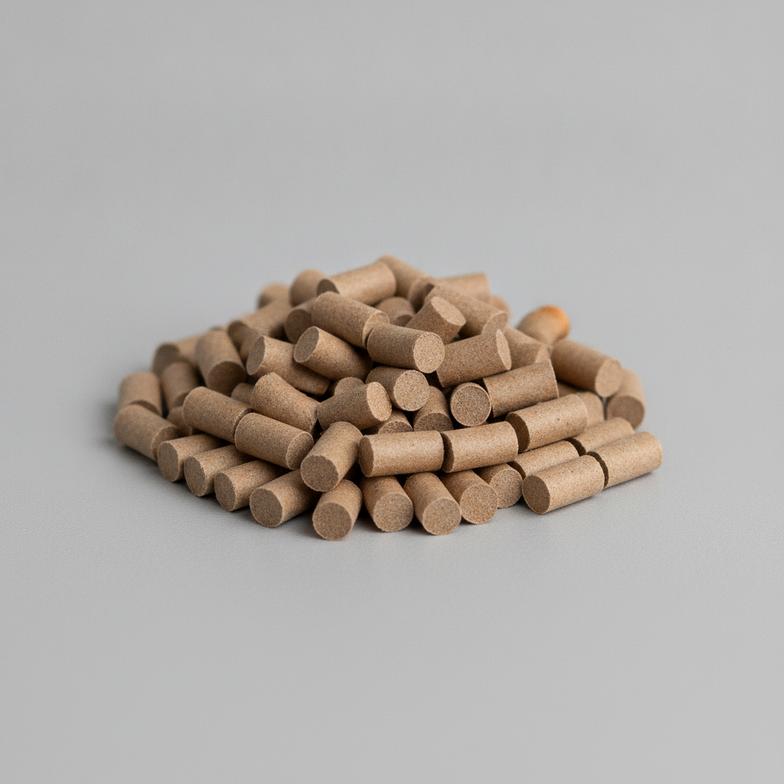
Finding a supplier on a B2B platform is easy; finding a reliable manufacturing partner is the real challenge. The checklist below is built from years of experience helping buyers like you navigate the sourcing process. It will help you ask the right questions, identify red flags, and build a resilient supply chain for your business.
Are you worried about receiving flimsy tips that fall apart, use unsafe materials, or don’t match your brand’s quality promise? This uncertainty can be stressful and costly. Let’s clarify the key specifications you need to lock down before placing an order.
When sourcing hemp filter tips, you must verify the paper type (hemp vs. wood pulp, FSC-certified), the glue (food-grade is non-negotiable[1]), and the precise dimensions with tolerances. Each choice represents a trade-off between cost, user experience, and market compliance.
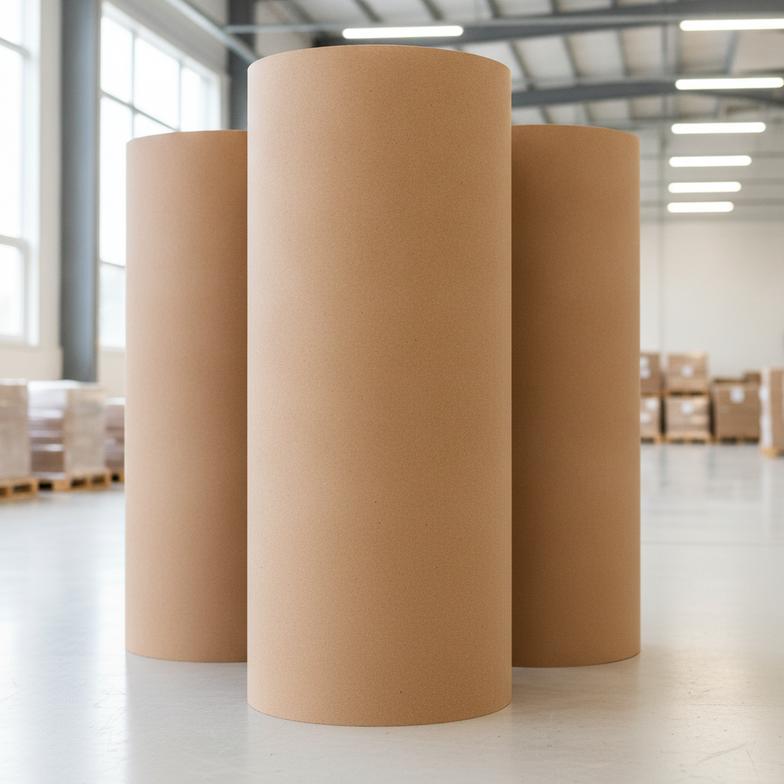
The term "hemp paper" can be ambiguous. Buyers often ask what it actually means, and the answer varies. It could be 100% hemp fiber, but it’s more commonly a blend of hemp and other fibers, like wood pulp[2]. Some suppliers may even use the term loosely for brown-colored paper to appeal to the market.
To avoid confusion, ask your potential supplier for a spec sheet that details the paper’s composition. Here are the key points to clarify:
Many brands find that high-quality, FSC-certified wood pulp paper provides a great balance of performance, sustainability, and cost-effectiveness. The final choice depends on your brand story and budget.
The adhesive used to bind the filter tip is one of the biggest potential points of failure and a significant compliance risk. I’ve seen cases where buyers receive an entire batch that has an unpleasant chemical taste, all because the supplier cut corners on glue to save a fraction of a cent per unit.
Your checklist must include:
Never assume the glue is safe. Always ask for proof.
Inconsistency in size can make your filter tips useless for customers who use rolling machines or pre-rolled cones. You must provide clear technical specifications and, just as importantly, define the acceptable tolerances.
A professional supplier will understand and be able to meet these requirements. Your spec sheet should include:
For each dimension, specify a tolerance, such as `±0.2mm`. This tells the supplier how much variation is acceptable. Without defined tolerances, you have no contractual basis to reject a batch if the tips are inconsistent.
Receiving a perfect "golden sample" feels great, but it doesn’t guarantee your bulk order of 500,000 units will have the same quality. Are you anxious that the standard will drop the moment your payment clears? Let’s discuss how to verify a supplier’s real production capabilities.
To assess a supplier’s quality control, you must move beyond samples. Request documentation of their QC process, ask for material traceability records, and inquire about their standard procedures for identifying and handling defects during production and before shipment.

A common mistake we see is buyers making a decision based solely on a few samples. Any factory can produce a dozen perfect units. The real test is whether they can produce half a million units to the same standard.
Instead of just approving a sample, ask these questions to understand their process:
A professional manufacturer will have documented answers. They should be able to describe their inline checks (e.g., laser measurement) and offline batch testing (e.g., hourly checks by a QC team member). If their answer is vague, like "we check for quality," it’s a major red flag.
Talk is cheap. A supplier’s true capability is revealed in their documentation. Requesting these files helps separate the professional factories from the trading companies or small workshops pretending to be larger operations.
Your vetting checklist should include asking for:
A supplier who readily provides these documents is confident in their processes. One who makes excuses or delays is likely hiding something.
No manufacturing process is 100% perfect. Defects happen. The difference between a good and a bad supplier is how they deal with it. You need to know their internal process for managing defects before they get packed and shipped to you.
Ask them directly:
A proactive supplier will have clear answers. For instance, they might say, "We have an optical sorting machine[6] that rejects improperly glued tips, and our acceptable defect rate is 0.5%. Anything above that triggers a line review." A reactive supplier will give a non-committal answer, which means you’ll likely be the one to find the defects.
You’ve found a supplier with good quality and a fair price. But what happens after you sign the contract? Shipping delays, customs problems, and poor communication can turn a great deal into a logistical nightmare. Here’s how to vet a partner for long-term reliability.
To ensure supply chain reliability, you must vet the supplier’s communication protocols, fully understand their shipping and logistics processes, and clarify their policies for resolving post-delivery issues before you commit to an order.

Based on feedback from our clients, poor communication is the #1 cause of sourcing failures[7]. When a problem arises, you need a responsive partner, not radio silence.
Assess their communication during the initial inquiry phase:
I once worked with a buyer whose supplier contact changed three times in two months. When a production issue occurred, nobody knew the history of their order, and it caused massive delays. A stable, single point of contact is invaluable.
Don’t let shipping be an afterthought. You must clarify all logistics details upfront to avoid surprise costs and delays.
Discuss these key points with your supplier:
This is the ultimate test of a supplier’s integrity. Problems can and do happen. You might discover a quality issue only after the goods arrive at your warehouse.
Before signing the purchase order, ask this critical question: "What is your exact process if we discover a quality discrepancy after delivery?"
Look for a clear, systematic answer. A trustworthy partner will say something like: "Please send us photos and videos documenting the issue, along with the batch number from the carton. Our quality team will review it within 48 hours. If we verify the defect, we will offer a credit on your next order or a partial refund, depending on the severity."
If the supplier is vague, dismissive, or says, "Don’t worry, it won’t happen," you should be very concerned. This indicates they have no formal process for resolving disputes and may leave you with a container of unsellable product.
You want your brand to stand out with custom printing or a unique size, but customization adds layers of complexity and risk. Are you worried about misprints, unsafe inks, or receiving tips that don’t fit your packaging?
The main risks of customizing hemp filter tips are ensuring ink safety for printed logos, maintaining precise dimensions with new tooling, and achieving clear communication of design files. Always demand food-contact compliance reports for any inks used.

If you are printing a logo or pattern on your filter tips, ink safety is a critical compliance issue. The ink will come into direct contact with the user’s mouth and the product they are consuming.
Your checklist must include:
Reputable suppliers understand this and will have the documentation ready. This is a simple but powerful way to filter out low-quality operators.
A custom size or shape requires the factory to create new machine tooling. This introduces a risk of dimensional inaccuracy if not managed properly.
To mitigate this risk:
The burden of providing clear design files and specifications falls on you, the buyer. Ambiguity leads to errors. To ensure your custom branding is produced correctly, provide a detailed technical pack.
Use a simple table in your purchase order to formalize all custom requirements.
| Parameter | Specification | Tolerance | Notes |
|---|---|---|---|
| Length | 28 mm | ± 0.5 mm | Custom length for our brand |
| Outer Diameter | 7 mm | ± 0.1 mm | Must fit standard 7mm cones |
| Logo Color | Pantone 355 C | – | Vector file provided (.ai format) |
| Paper Type | FSC Certified Wood Pulp | – | Brown, unbleached |
| Ink Type | Food-Grade Soy Ink[9] | – | Compliance report required |
This level of detail leaves no room for interpretation and protects both you and the supplier from costly misunderstandings.
The price varies significantly based on material (100% hemp vs. wood pulp blends), order volume, dimensions, and customization complexity. Generally, you can expect prices to range from a few dollars to over ten dollars per thousand units. The best approach is to provide detailed specifications to a few vetted suppliers to get accurate quotes.
MOQs are set by the supplier and depend on the level of customization. For a simple change in size using existing paper, the MOQ might be 50,000 to 100,000 units. For custom printing that requires new printing plates, the MOQ is often higher, sometimes 250,000 units or more, to offset the setup costs[10].
Yes, it is perfectly safe, provided the supplier uses certified food-grade, non-toxic inks. As a buyer, it is your responsibility to verify this. Always request and review the food-contact compliance documentation (e.g., FDA or EU food-contact safety reports) for the specific inks being used on your product.
Hemp paper is prized for its strong sustainability narrative[11] and unique, often slightly rougher texture, which can be a great branding element. Wood pulp paper is typically more cost-effective, more readily available, and offers very consistent performance. When FSC-certified, it also provides a strong sustainability credential. The choice depends entirely on your target market, brand positioning, and budget.
Sourcing hemp filter tips from China is not about finding the supplier with the lowest price. It’s about executing a disciplined, risk-managed process to find a long-term manufacturing partner. By using this buyer’s checklist, you can move beyond samples and price lists to systematically evaluate a supplier’s true capabilities. Focus on verifying materials, assessing their quality control systems, confirming supply chain reliability, and carefully managing the risks of customization. This structured approach is the key to building a profitable and reputable brand with a resilient supply chain for your hemp filter tips.
At PaperStrawTech, we leverage over a decade of experience in high-volume paper converting to produce top-quality paper products, including filter tips. We understand the entire process, from raw material sourcing to global logistics. If you’re looking for a partner who values transparency and quality, contact our team to discuss your project.