
Struggling to choose the right paper straw packaging for your new product line? The options can feel overwhelming, and making the wrong choice can damage your brand perception or eat into your profits. This guide simplifies the decision by breaking down the strategic purpose of each packaging type, so you can choose the perfect fit for your business goals.
The main paper straw packaging options are polybags, paper boxes, header cards, and outer shipping cartons. Polybags are the most cost-effective solution[1] for bulk B2B orders. Paper boxes and header cards are designed for retail shelf appeal and branding. Cartons are essential secondary packaging for protecting all other formats during shipping and logistics.
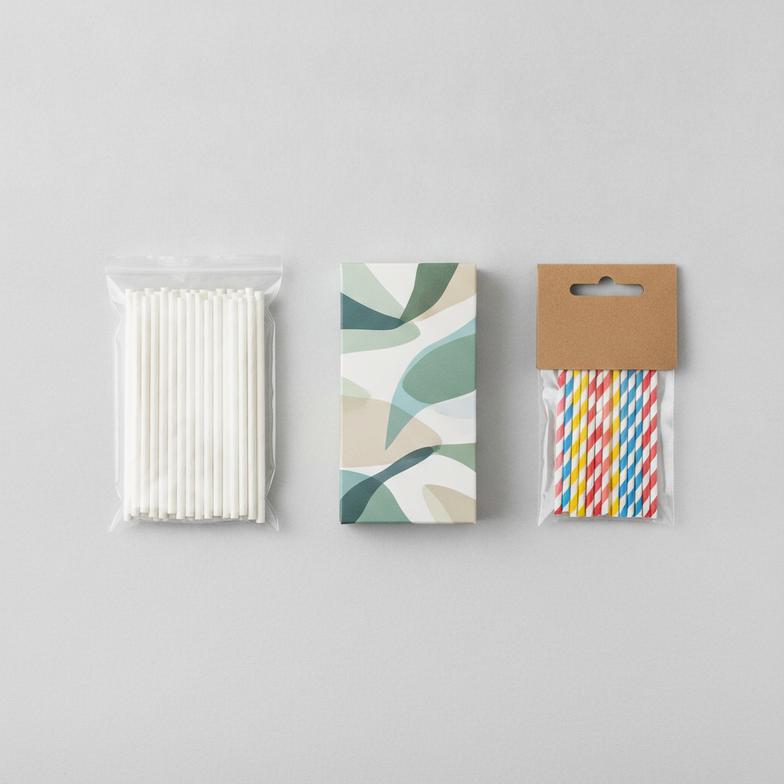
Now that you have the quick answer, let’s dive deeper. The most common mistake I see buyers make is asking “which material is best?” instead of “which packaging serves my customer?” Understanding this distinction is the key to making a smart, profitable choice. Let’s explore when and why you should use each option.
Are you sourcing for a high-volume distributor, a busy restaurant chain, or your own production backstock? You need a solution that protects the straws and keeps costs at an absolute minimum. A polybag seems like the obvious answer, but you worry it might look too cheap.
Yes, for high-volume B2B channels where cost efficiency is the top priority, polybag packaging is the most economical and practical choice for your straws. It offers basic protection at the lowest possible unit price.
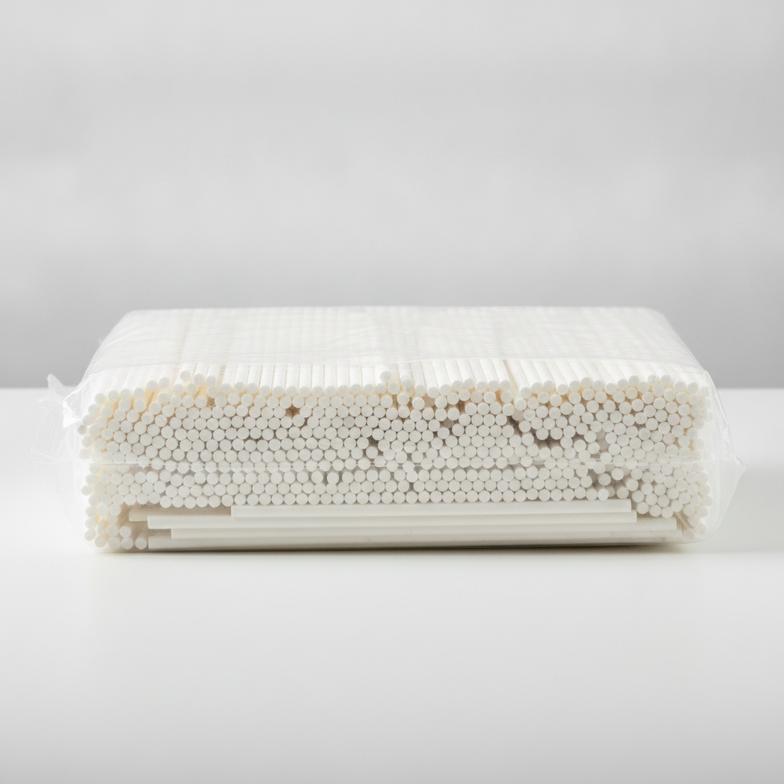
From my experience helping hundreds of clients, the first question I always ask is, “Who is the final user?” If the answer is a business—like a cafe, bar, or foodservice supplier—then polybag packaging is almost always the starting point.
The reasoning is simple: cost and efficiency.
For back-of-house operations where the straws are simply emptied into a dispenser, any extra cost for fancy retail packaging is wasted money. Your B2B customers care about getting a quality straw at a competitive price, and polybags help you deliver on that promise.
While excellent for bulk, polybags are a poor choice for retail environments. They offer virtually no branding real estate beyond a simple sticker, which can easily peel off or be overlooked. On a competitive supermarket shelf, a plain polybag looks generic and has a low perceived value. Consumers often associate this type of packaging with low-quality, budget items[5].
A common mistake buyers make is trying to use the same bulk polybag pack for both their foodservice and retail channels. This strategy almost always fails in retail because it doesn’t give the customer a reason to choose your product over a competitor’s attractively boxed alternative.
| Feature | Pros | Cons |
|---|---|---|
| Cost | Lowest cost per unit | Minimal perceived value |
| Branding | Can add a simple printed logo or sticker | Very limited branding space |
| Protection | Protects from dust and moisture | Offers no protection from crushing or bending |
| Best Use Case | Bulk foodservice, B2B distribution, internal use | Retail shelves, premium brands, gift sets |
Want your paper straws to fly off the shelf in a busy retail store? You know a simple bag won’t capture a shopper’s attention. A custom paper box seems like the solution, but you need to be sure the extra investment will actually pay off in sales.
You should choose a paper box when your primary goals are retail shelf appeal, brand communication, and providing a superior consumer experience. It is the ideal format for products sold in supermarkets, eco-friendly lifestyle stores, or as part of a premium branded offering.
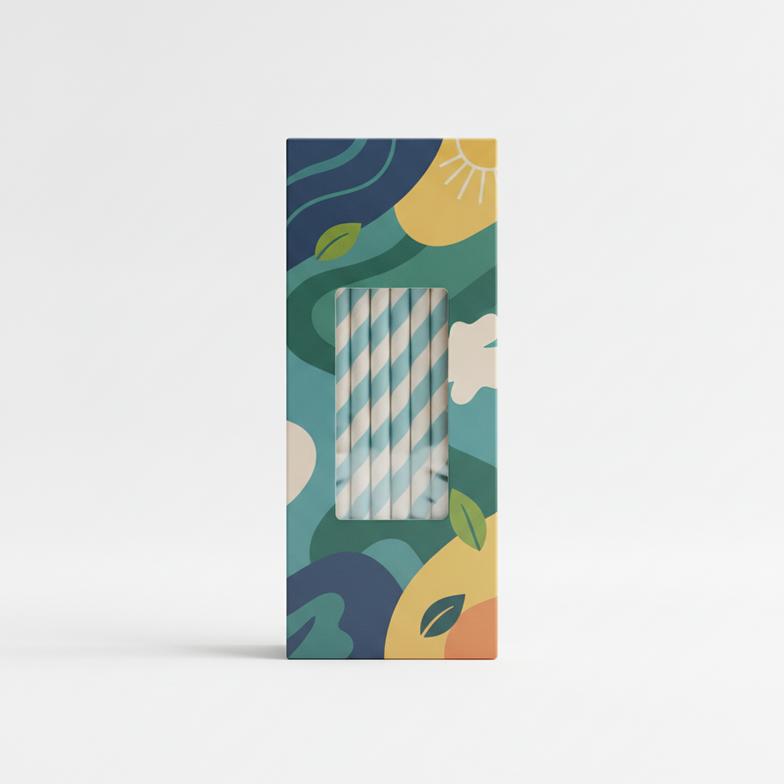
Think of a paper box as a small billboard for your brand. Unlike a polybag, a box provides you with five or six printable surfaces to tell your story. This is your opportunity to connect with your target customer.
Here’s what you can do with that space:
For a client of mine targeting upscale home goods stores, we designed a beautiful matte-finish box with elegant typography. The packaging itself communicated “premium” before the customer even touched a straw. This investment in design directly led to higher perceived value and allowed them to secure a better retail price point.
A sturdy paper box does more than just look good—it protects the straws from being crushed in a shopping bag or pantry. It also enhances the unboxing experience. A well-designed box that’s easy to open and close feels more premium and user-friendly.
Furthermore, you can design the box for functionality. Some popular options include:
This combination of branding, protection, and user experience justifies the higher cost and makes the paper box the undisputed champion for retail paper straw packaging.
You want to sell your straws in a retail setting, but your budget is tight. A full paper box is too expensive, but a plain polybag is too generic. Is there a hybrid option that gives you some branding without the high cost of a custom box?
Yes, header card packaging offers a strategic balance between the low cost of a polybag and the branding capabilities of a paper box. It’s an excellent choice for budget-conscious retail products, promotional giveaways, or for testing a new market.
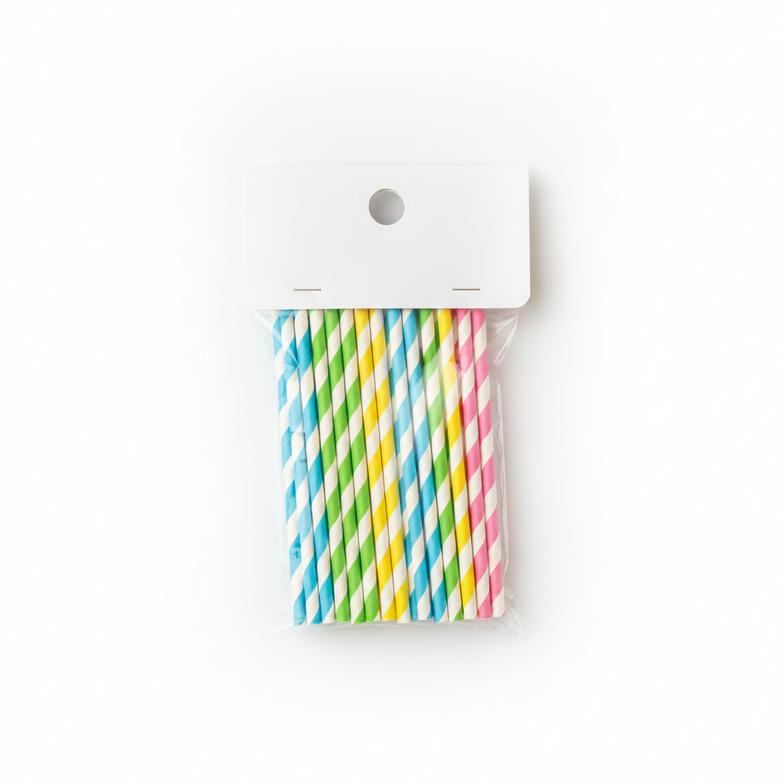
The concept is brilliantly simple. Your paper straws are placed in an inexpensive, transparent polybag. Then, a folded piece of printed cardstock—the “header card”—is stapled or sealed across the top of the bag.
This card typically includes:
This format is extremely common in discount stores, party supply aisles, and for seasonal items[9] because it provides just enough branding to be effective while keeping production costs significantly lower than a full box.
The key benefit of header card packaging is its cost-effectiveness for retail applications. You are essentially combining the lowest-cost containment method (a polybag) with the lowest-cost branding method (a small piece of printed card).
I often recommend this to clients who are launching a product for the first time. It allows them to get a professional-looking product onto store shelves without a heavy upfront investment in complex packaging. If the product is successful, they can always “upgrade” to a full paper box in the future. It’s a low-risk way to enter the retail market and gauge consumer interest.
While it’s a smart compromise, header card packaging isn’t perfect. The product can still feel less premium than a boxed alternative, and the polybag portion offers no protection against crushing. The straws are vulnerable to damage if they are tossed into a crowded shopping cart or packed carelessly.
Therefore, the decision to use a header card comes down to your specific market and price point. It is a calculated trade-off, sacrificing some protection and premium feel in exchange for significant cost savings and a faster path to retail-ready paper straw packaging.
You’ve finally decided on the perfect polybag or paper box for your straws. Now your supplier is asking about master cartons, inner cartons, and shipping marks. Isn’t that their responsibility? Ignoring this final step is a costly mistake that can result in an entire shipment of damaged, unsellable goods.
Carton packing is the essential secondary (or tertiary) layer of your paper straw packaging strategy. It is designed purely for logistics: to protect your beautifully packaged products during transit, storage, and handling, ensuring they arrive at their final destination in perfect condition.
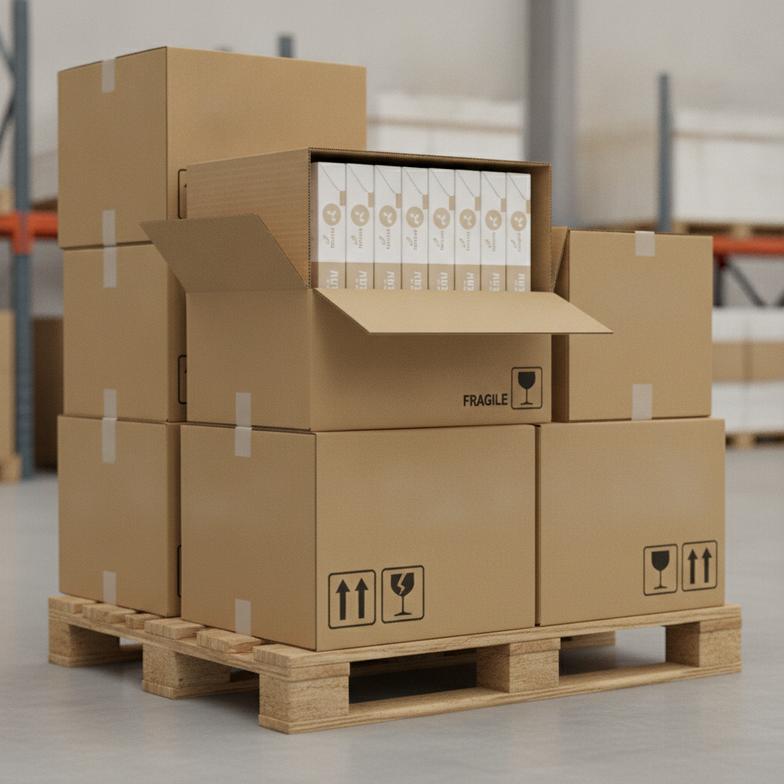
A common point of confusion for new buyers is the difference between primary and secondary packaging.
When I consult with a client, I always emphasize that the carton is not an afterthought—it’s a critical component of their supply chain. The sturdiest, most beautiful retail box is useless if it arrives at the warehouse crushed because it was shipped in a flimsy carton.
Choosing the right carton is a technical decision. Here’s what we consider at PaperStrawTech:
Proper carton packing ensures your investment in your product and primary packaging is protected all the way to the point of sale.
Yes, absolutely. This is a very common request, especially for foodservice clients who prioritize hygiene. We can wrap each straw individually in paper and then pack those wrapped straws into a larger polybag or dispenser box. This “double protection” is ideal for restaurants, cafeterias, and public-facing dispensers.
A 100% paper-based solution is generally considered the most eco-friendly and easiest for consumers to recycle[11]. This would mean using a paper box or paper bag made from FSC-certified paper. However, “eco-friendly” also means preventing product waste. If a paper-only solution fails to protect the straws and they arrive damaged, that is not a sustainable outcome.
The cost difference can be significant and depends heavily on order volume, the complexity of the print design, the box structure, and the thickness of the paperboard. As a rough estimate, you can expect a custom paper box to cost anywhere from 50% to over 200% more than a basic polybag[12]. We always provide a detailed quote based on your specific design.
For retail packaging, you must include your brand logo, the quantity of straws in the pack, the straw dimensions (length and diameter), a UPC barcode, and your company contact information. It is also highly recommended to include key selling points like “Biodegradable,” “FSC Certified Paper,” and any food-contact safety compliance information.
Ultimately, selecting the right paper straw packaging is not about finding a single “best” option; it’s about making a strategic business decision. The ideal choice is a trade-off between cost, branding, and logistical reality. A polybag is the undisputed king for high-volume, cost-sensitive B2B channels. A paper box is a powerful marketing tool for winning on the retail shelf. A header card offers a clever compromise for budget retail. And a strong outer carton is the non-negotiable insurance policy that protects your entire investment. By matching your packaging to your sales channel, you set your product up for success.
If you’re ready to find the perfect packaging solution for your paper straws, our team at PaperStrawTech can help. We have over a decade of experience guiding businesses like yours through these decisions. Contact us today for a free consultation and quote, and let’s build your product strategy together.