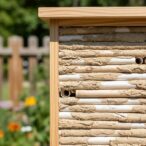
You want to help save the bees, but your hotel might be a trap. The wrong design creates a hidden danger. Choosing a cleanable hotel is the single most important decision[1].
Removable bee tubes are better because they allow for essential cleaning. You can harvest healthy cocoons and replace used tubes. This simple act prevents the deadly buildup of parasites and diseases[2].
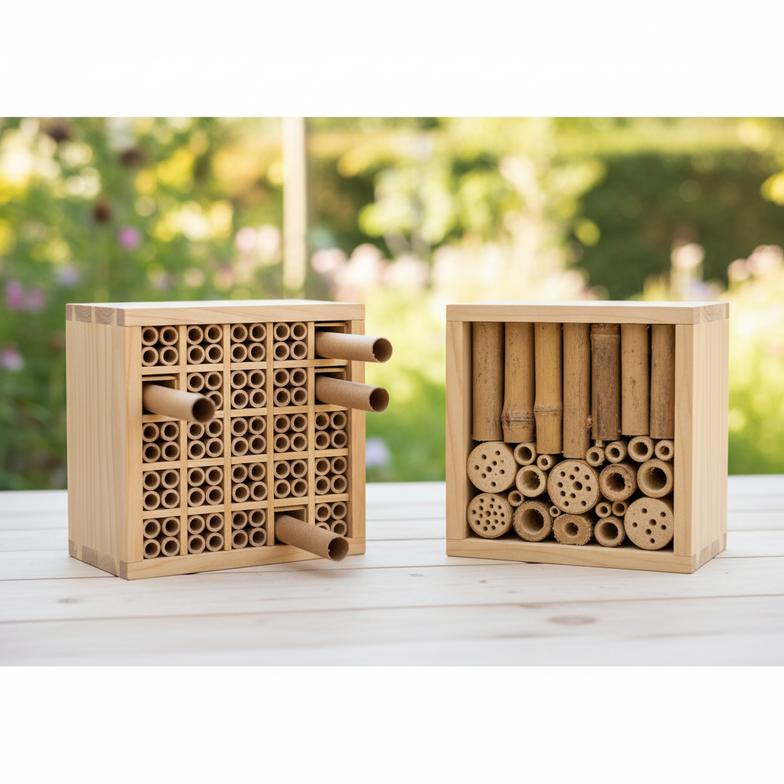
Choosing a bee hotel feels like a simple, positive step for your garden. I see this enthusiasm from customers all the time. But a critical design feature is often overlooked. It’s the difference between creating a thriving bee sanctuary and an unintended pest incubator. The key isn’t the material or the color; it’s whether you can clean it out. Let’s look at why this one detail is so important for the bees you want to help.
Your bee hotel looks peaceful from the outside. But inside, hidden pests and fungus could be killing the next generation of bees. Understanding the risk of uncleaned holes is crucial.
Fixed holes accumulate pests like parasitic wasps and diseases like chalkbrood[3]. Because you cannot clean them, these threats multiply each season. This can turn your bee hotel from a safe home into a trap[4].
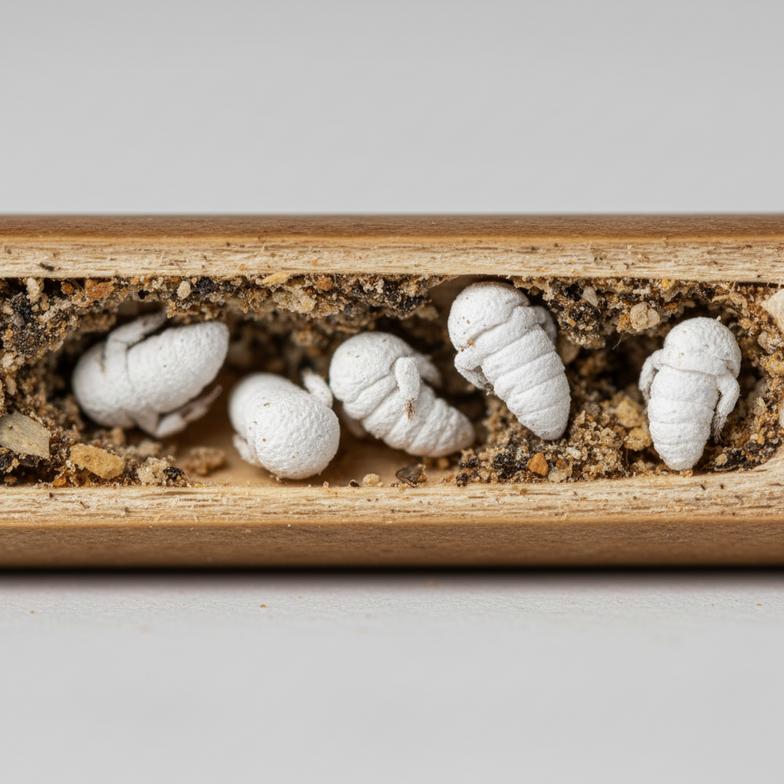
When a solitary bee uses your hotel, she finds a tube, lays an egg, leaves a pollen ball for food, and seals the chamber with mud. She repeats this until the tube is full. The problem starts the following year. After the new bees emerge, the empty tube contains leftover pollen, bee waste, and potentially unseen threats. A common issue we hear about from gardeners after their second season is a sharp drop in bee activity. The hotel that was bustling is now quiet. This is often because the fixed, uncleaned holes have become a breeding ground for two major problems.
Parasitic wasps are a major threat[5]. They are tiny and seek out bee larvae. These wasps use their long ovipositor to pierce the mud plugs or the tube walls and lay their own eggs on or near the bee larvae. The wasp larvae then hatch and eat the bee larva or its food supply. In a fixed-hole hotel, these parasites emerge and immediately find new bee nests in the same structure. The parasite population can explode in just a few seasons[6].
Chalkbrood is a fungal disease that is devastating to bee larvae[7]. The spores are often brought into the nest by the mother bee on her body. In the moist, sealed chamber, the fungus can activate and consume the larva, turning it into a hard, chalky mummy. These spores remain in the tube. Next season, a new bee nesting in that same contaminated hole will likely infect her own offspring. Because you can’t scrub a fixed hole, the disease concentration gets worse every year.
| Year | Fixed-Hole Hotel (Uncleaned) | Removable-Tube Hotel (Cleaned) |
|---|---|---|
| Year 1 | Bees nest successfully. Minor presence of pests/spores. | Bees nest successfully. Minor presence of pests/spores. |
| Year 2 | Emerging bees spread pests/spores to new nests. Population declines. | Used tubes are removed. Healthy cocoons are saved. Fresh tubes are inserted. |
| Year 3 | High concentration of parasites and disease. Hotel becomes a population sink. | Bee population is healthy. No year-over-year contamination buildup. |
You have seen the risks inside a fixed bee hotel. How can you actively protect your local bees from these dangers? The solution is a simple maintenance routine made possible by removable tubes.
Removable tubes let you harvest healthy bee cocoons each fall. You can then clean or replace the nesting tubes. This breaks the life cycle of pests and diseases[8] before they can build up.
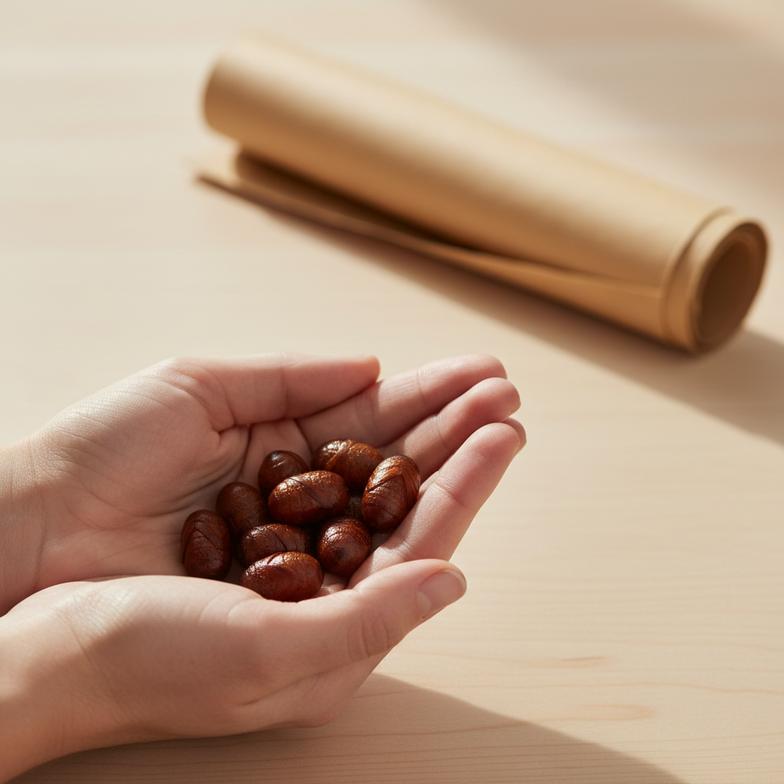
The ability to clean your bee hotel is the most powerful feature for ensuring long-term success. It turns you from a passive landlord into an active, helpful partner for your bees. As a provider of paper bee tubes, we design them specifically to support this yearly cycle. The process is straightforward and ensures the hotel remains a safe space, not a contaminated one. Here is how it works.
In the late fall or early winter, you take the removable tubes out of the hotel structure. If you are using paper tubes like ours, you can carefully unroll or tear them open to reveal the cocoons inside. For sturdier tubes made of cardboard or reeds, you can gently push the cocoons out from the back. The goal is to get the cocoons out without damaging them.
Once the cocoons are out, you can inspect them. Healthy cocoons are firm and oval-shaped. You might find some that are chalky and mummified (chalkbrood), have small holes (parasitic wasps), or contain pollen mites[9]. You can gently clean healthy cocoons with a dry brush to remove debris. Any contaminated tubes and diseased cocoons should be disposed of to prevent them from infecting your garden next year.
The healthy cocoons should be stored in a cool, dry, and protected place for the winter[10], like a garage or shed. This mimics their natural environment. Then, you can clean the main hotel structure and, most importantly, stock it with fresh, clean nesting tubes. When spring arrives, you can place the cocoons near the hotel. The new bees will emerge and have a completely clean home ready for them.
Many bee hotels look beautiful online. But the design could be flawed, and the seller might not even understand the risk. You can find a responsible supplier by asking one simple question.
Ask the supplier: "What is your recommended process for harvesting cocoons and cleaning the tubes?" A good supplier will have a clear answer[11]. If they dismiss the question, they likely prioritize appearance over bee health.

When I talk with people looking to support pollinators, their intentions are always fantastic. They want to make a difference. The challenge is that the market is full of products that look the part but fail in function. Based on the questions we get, it is clear that many sellers don’t explain the importance of maintenance. Knowing what to ask can protect you from buying a product that does more harm than good. Your goal is to find a supplier who thinks beyond the initial sale and considers the long-term health of the bees.
Be cautious if a supplier gives you these kinds of answers. It often means they haven’t considered the practical realities of bee health or are new to the industry.
A supplier who is truly interested in helping bees will sound more like a guide than a salesperson.
Your choice matters. Selecting a bee hotel with removable tubes is essential for cleaning, preventing disease, and truly helping pollinators. It directly impacts their survival in your garden.