
Choosing the wrong breathalyzer mouthpiece risks inaccurate tests and wasted money. Understanding how material affects performance is key to making a reliable, cost-effective choice for your program.
A disposable breathalyzer mouthpiece is a single-use attachment that ensures hygiene and proper airflow into the testing device. The material, typically a plastic like PP or PE, is critical because it directly impacts the seal, durability, and ultimately, the accuracy and reliability of the breath alcohol reading[1].
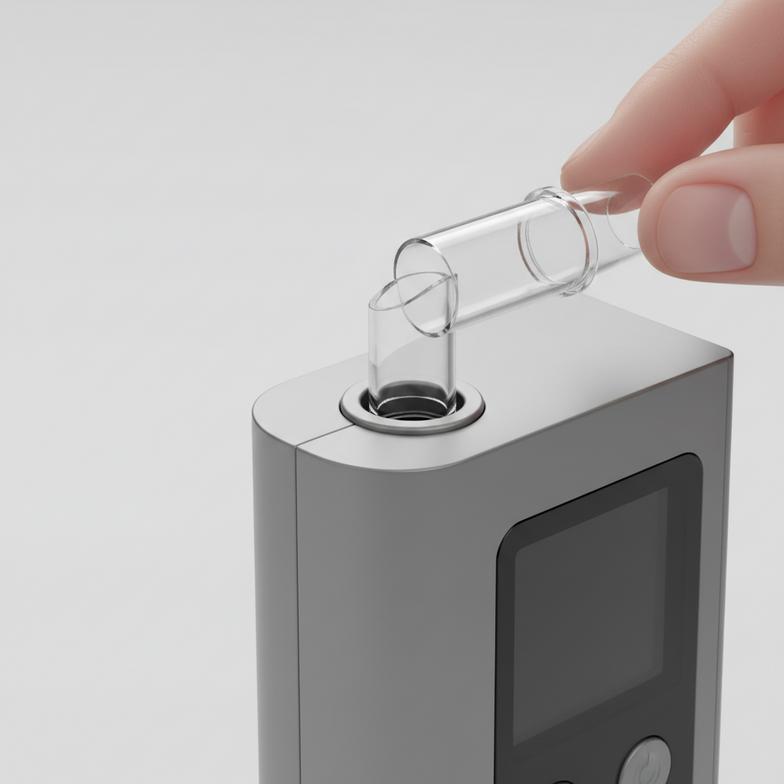
Now that we’ve established the mouthpiece’s critical role, you’re probably wondering which material is truly the ‘best’. The answer isn’t as simple as picking one plastic over another. The real challenge, as many buyers we work with discover, is matching the material properties to your specific operational needs and avoiding common sourcing pitfalls. It’s about looking beyond a simple spec sheet to understand what really drives performance and reliability. Let’s break down what you actually need to look for to make a smart purchase.
You see "food-grade" on a spec sheet and feel safe. But that term can hide manufacturing inconsistencies that ruin your test accuracy and create supply chain headaches for your program.
"Food-grade" simply means the plastic is safe for human contact, but it does not guarantee the precision, fit, or seal[2] required for an accurate breathalyzer test. Manufacturing quality and the specific plastic type are far more critical for ensuring reliable results and device compatibility.
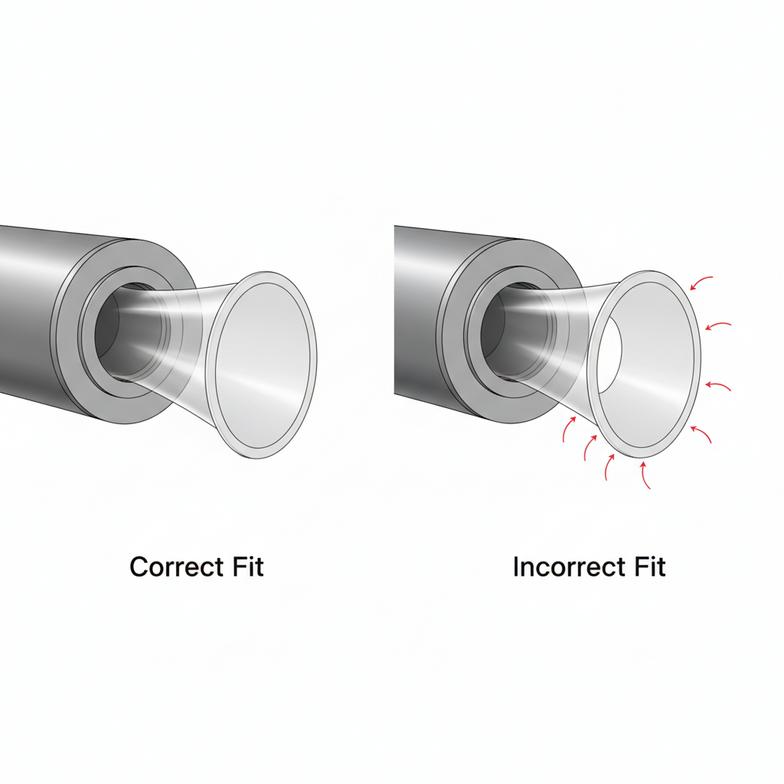
Buyers often ask us if "food-grade" is the most important specification. It’s a vital baseline for safety, but it’s not a guarantee of performance. The term ensures the material itself is non-toxic, but it says nothing about how the mouthpiece was made. The real risk to test accuracy comes from manufacturing defects. A poorly molded mouthpiece, even from the best virgin material, will cause air leaks. These leaks allow ambient air to mix with the subject’s deep-lung breath sample, which can dilute the sample and produce a falsely low reading[3].
The choice between common plastics like Polypropylene (PP) and Polyethylene (PE) also plays a huge role.
| Material | Key Property | Best Use Case |
|---|---|---|
| Polypropylene (PP) | Rigid and hard | Evidentiary testing where a perfect, tight seal is critical.[4] |
| Polyethylene (PE) | Softer and more flexible | General screening where cost is a major factor.[5] |
A common mistake is focusing only on the material name. The bigger question should be about the manufacturer’s consistency. A perfectly molded PE mouthpiece is better than a poorly made PP one every time.
You are stuck comparing suppliers who all claim to use the best materials. This focus on specs can blind you to the real risks: inconsistent quality, hygiene issues, and unreliable supply.
Look past the material type and ask about the manufacturing process. Inquire about individual wrapping for hygiene, mold maintenance schedules for a consistent fit, and batch traceability systems. A supplier’s commitment to quality control is a better indicator of reliability than any spec sheet.

From a supply chain perspective, the spec sheet is just the beginning. To truly understand the risk in your purchase, you need to dig into the supplier’s processes. We’ve seen procurement managers make decisions based on a tenth of a cent price difference, only to face much higher costs down the line from failed tests or contaminated stock. Instead of just asking "What material do you use?", start asking questions that reveal the supplier’s commitment to quality.
Here are the questions we encourage our partners to ask any potential supplier:
1. Do you individually wrap each mouthpiece? Bulk-packed mouthpieces save on packaging but create a major hygiene risk[6]. Every time the bag is opened, the entire lot is exposed to contamination. Individual wrapping is the standard for any professional application.
2. What is your batch traceability process? A supplier with a robust traceability system can isolate a defective batch quickly. Without it, a single quality issue could force you to discard your entire inventory. This is a key sign of a mature and reliable manufacturing operation.
3. Can you describe your mold maintenance schedule? Plastic injection molds wear down over time. Worn molds produce parts with inconsistent dimensions and "flash"[7] (excess plastic), which prevent a proper seal[8]. A good supplier invests in regular maintenance and mold replacement to ensure every part is identical.
These process-oriented questions tell you more about future performance than any material name will.
You need to buy mouthpieces for your organization. But using a one-size-fits-all approach is a costly mistake that can lead to evidence challenges or unnecessary program expenses.
Not necessarily. Law enforcement prioritizes evidentiary integrity, requiring a perfect seal and durable material. Workplace screening may prioritize cost-effectiveness for voluntary testing, allowing for different material and packaging choices. The "best" mouthpiece always depends on the stakes of the test.
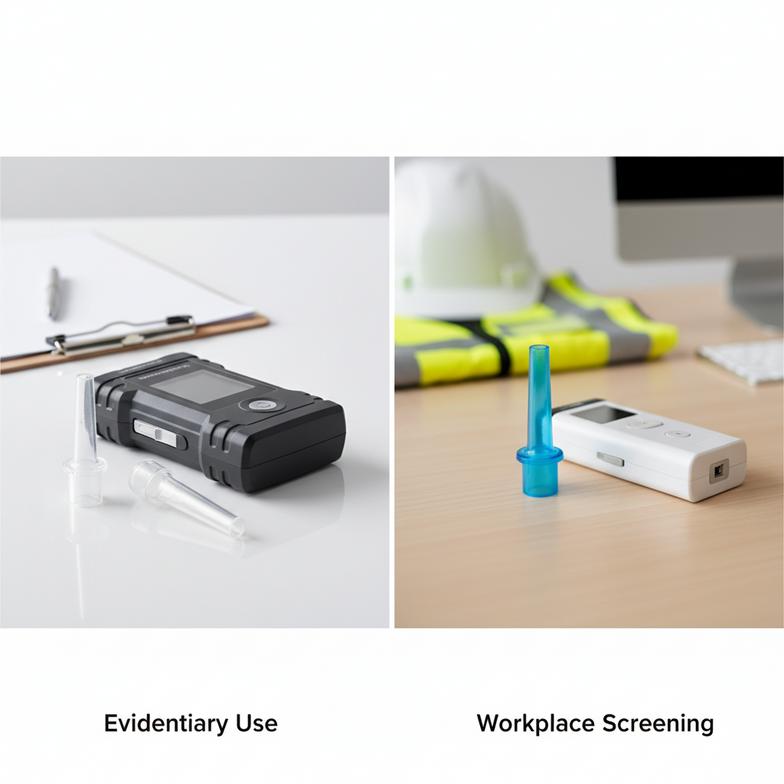
A common mistake in procurement is assuming one mouthpiece fits all needs. The context of the test changes everything. The requirements for a legally binding test are completely different from a voluntary workplace screening. Choosing the wrong type of mouthpiece for your application either introduces unnecessary risk or unnecessary cost.
Let’s break down how priorities shift based on the use case.
| Priority | Law Enforcement / Evidentiary | Workplace Safety Screening |
|---|---|---|
| Primary Goal | Incontestable Accuracy | Deterrence & Safety[9] |
| Material Need | High rigidity (PP), perfect seal | Good enough for screening |
| Durability | Must not crack under stress | Less critical |
| Packaging | Individual, tamper-evident | Individual (ideal) or bulk |
| Cost | Secondary to performance | A primary consideration |
| Biggest Risk | Evidence thrown out in court[10] | Missed screening, low adoption |
For law enforcement, the mouthpiece is part of the chain of evidence. It must create a perfect seal to guarantee the breath sample is pure. The material, often a rigid PP, must resist cracking in hot or cold temperatures[11] and prevent any possibility of a leak that could be challenged in court.
For a corporate wellness or safety program, the goal is different. The test is often a deterrent or a preliminary screening. While accuracy is still important, the result doesn’t typically face a legal challenge. In this scenario, a more flexible and cost-effective PE mouthpiece might be perfectly adequate, allowing the program to run more tests within the same budget. Understanding your specific risk tolerance and operational goals is the key to making the right choice.
Choosing the right mouthpiece is not about finding the ‘best’ material. It is a smart, risk-based sourcing decision that matches your specific operational needs and ensures long-term reliability.