
Choosing a paper straw supplier feels risky. A bad choice means soggy straws and unhappy customers. Learn the factory secrets that guarantee quality and protect your brand’s reputation.
The best paper straws are made by carefully selecting certified raw materials, winding them on stable machinery, and using a controlled drying and packing process. Quality depends on managing this entire system, not just one step.
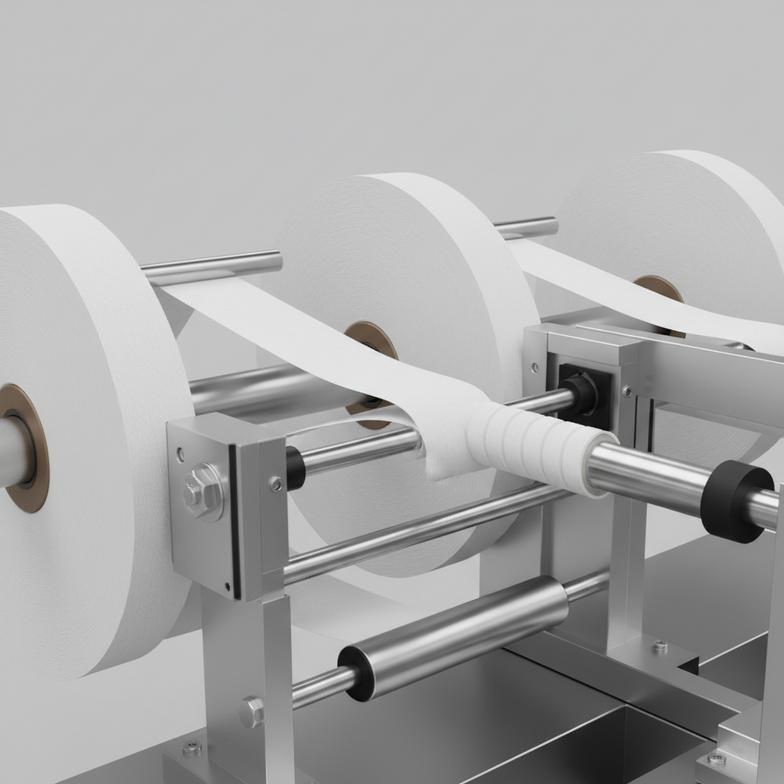
You’ve probably seen a video of a machine spinning paper into a straw. It looks simple. But as a manufacturer, I can tell you the most important parts of the process are the ones you can’t see. The real story of a quality paper straw isn’t in the speed of the machine; it’s in the careful choices made long before that machine is even turned on. Understanding these choices is the key to telling a great supplier from a risky one. Let’s look at what really matters.
Worried your paper straws will be flimsy, unsafe, or fall apart in drinks? Using low-grade paper and glue is a recipe for disaster. Knowing which materials to demand is essential.
The most critical raw materials are paper and glue. A quality straw uses at least three layers of 120 gsm FSC-certified paper[1] and food-grade adhesive. This combination is essential for ensuring durability, safety, and a premium customer experience.
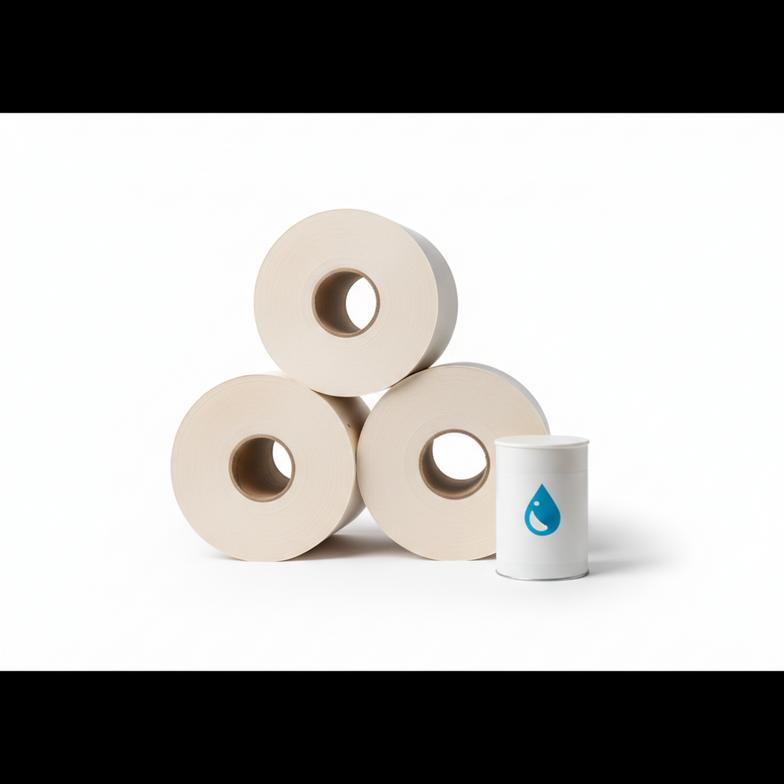
A common question we get from buyers is, "Is your paper good?" The truth is, "good" depends on a specific recipe of paper and glue working together. The visible part of the straw is paper, but the invisible part—the glue—is just as important. When we analyze quality issues, it often traces back to a mismatch between these two components. For example, a heavy, high-quality paper won’t perform well if the glue isn’t strong enough to bond it properly. It’s a system.
Here’s how we break it down for our partners:
The foundation of a durable straw is the paper itself. We look at three things: 1. Material Source: We exclusively use 100% virgin wood pulp. Some factories use recycled paper to cut costs, but the shorter fibers make the straw weaker and more likely to get soggy[2]. More importantly, recycled paper can contain unknown contaminants[3], which is a risk you can’t take with a food-contact product. Using FSC-certified paper also tells your customers you care about sustainable sourcing[4]. 2. Paper Weight (GSM): We have found that paper under 120 grams per square meter (gsm) is a poor choice for straws. It simply doesn’t have the structural integrity. All our straws use a minimum of 120 gsm paper, and often 135 gsm for special applications. 3. Number of Layers: A 2-ply straw will not last[5]. A quality standard starts with 3 layers (3-ply), and for more demanding uses like smoothies or hot drinks, 4-ply is necessary[6].
You can have the best paper in the world, but if the glue fails, the straw fails. We insist on using a specific type of water-based, food-grade adhesive. The glue must be certified as safe for food contact[7], and a good supplier will provide a Material Safety Data Sheet (MSDS) to prove it. An industrial-grade glue might be cheaper, but it can leave a chemical smell or taste and may not be safe for consumption.
| Feature | High-Quality Choice | Low-Quality Risk |
|---|---|---|
| Paper Type | 100% Virgin Wood Pulp (FSC Certified) | Recycled paper, unknown source |
| Paper Weight | 120 gsm or higher | Below 120 gsm, often 60-80 gsm |
| Paper Layers | 3 to 4 layers | 2 layers or thin 3 layers |
| Glue | Food-grade, water-based adhesive (with MSDS) | Industrial glue, chemical smells, poor bonding |
You see a supplier boasting about their new, high-speed machines. It sounds impressive. But a machine that is constantly stopping or making defective straws will destroy your production schedule and budget.
No, a faster machine is not always better. The best machine is one that runs stably, producing consistent, high-quality straws with minimal downtime. Process stability and final product uniformity are far more critical for your ROI than raw production speed.[8]
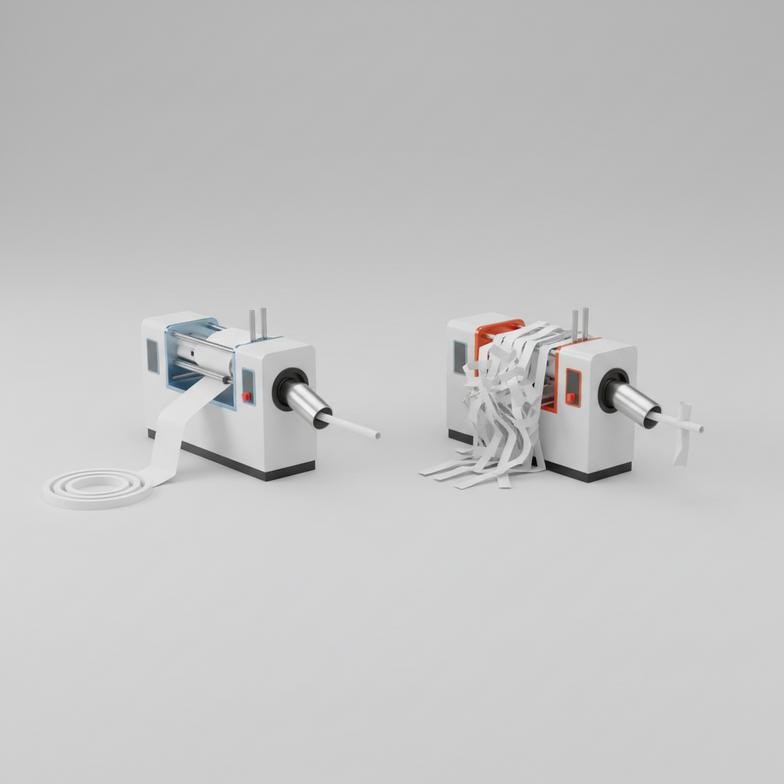
When entrepreneurs want to set up their own factory, the first question they almost always ask is, "How fast is your machine?" I always tell them this is the wrong question. A better question is, "How stable is your machine?" In my years of helping clients, I have seen people invest in a machine that promises 80 meters per minute but can only run for 30 minutes before it jams or needs adjustment. The real-world output is terrible.
The goal is not to make straws fast; it is to make good straws consistently. High speeds can introduce problems that compromise quality:
Instead of top speed, we focus on Overall Equipment Effectiveness (OEE)[9]. This means we look at a machine’s real performance. A machine that runs slower but operates without interruption and produces nearly zero defects is far more profitable.
| Metric | Machine A (Stable) | Machine B (Fast but Unstable) |
|---|---|---|
| Advertised Speed | 50 meters/minute | 80 meters/minute |
| Real Uptime | 95% (runs consistently) | 60% (frequent stops, paper jams) |
| Quality Rate | 99% good straws | 90% good straws (10% are defective) |
| Effective Output | ~47 meters/minute of usable straws | ~43 meters/minute of usable straws |
As you can see, the "slower" stable machine actually produces more sellable straws per minute. This is why when we provide a turnkey solution, our focus is on building a stable system—the right machine, the right materials, and the right operator training—to ensure consistent, high-quality output.
You think the job is done once the straw is wound and cut. But these final steps are where many factories fail, turning a good straw into a bad one before it ever ships.
After cutting, straws must be thoroughly dried to remove moisture from the glue and then hygienically packaged. Skipping or rushing the drying step is the number one cause of soggy straws.[10]
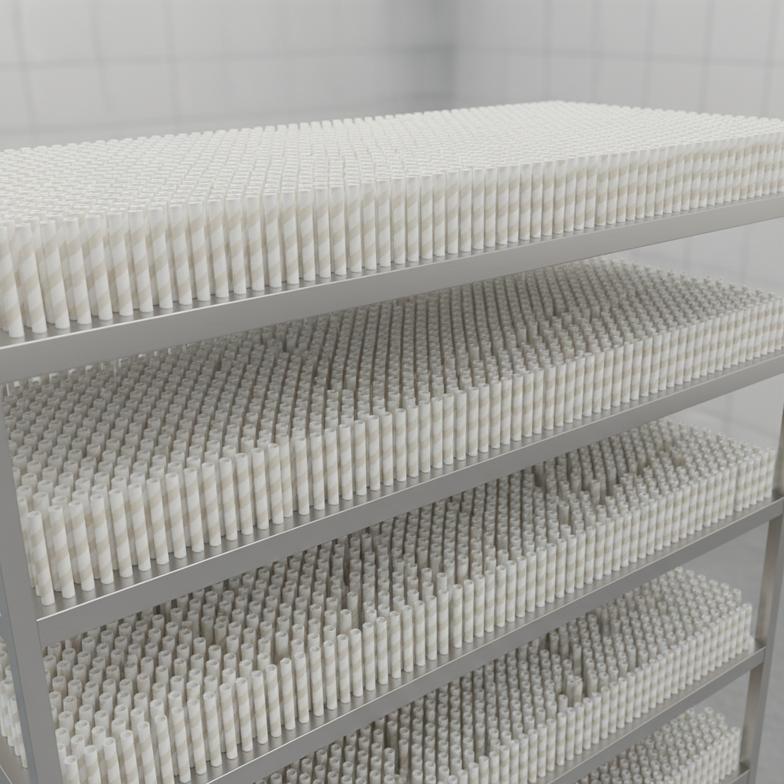
This is a part of the process that buyers almost never ask about, but it’s absolutely critical. When we use water-based glue, the paper absorbs moisture during the winding process. If that moisture is not completely removed, the straw will be weak and will fail almost immediately in a drink.[11]
A top-tier factory will have a dedicated drying process. This isn’t just letting the straws sit in a box. It involves either a heated conveyor system that the straws pass through or a dedicated drying room with controlled temperature and humidity. This process can take several hours, but it’s non-negotiable for quality. We once analyzed a competitor’s straw that was failing for a client; a quick test showed it had high moisture content. The other factory was clearly skipping this step to ship product faster, but it resulted in a useless product.
After drying, every batch of straws goes through a final quality check. Our team performs several tests:
Only after passing these checks do the straws move to packaging. For hygiene, this process should be automated as much as possible. Whether you need straws individually wrapped for restaurants, in retail boxes for supermarkets, or in bulk cartons for distribution, the packing process must keep the product clean and protected until it reaches the final user.
Making a great paper straw is about managing a complete system. By understanding the key choices in materials, machinery, and quality control, you can confidently choose a reliable partner.