
When sourcing straws wholesale, many buyers start by asking suppliers for the lowest price per piece. They might compare a quote for paper straws against one for plastic, see a price difference, and make a quick decision. In my experience, this is one of the most common and costly mistakes a B2B buyer can make.
The real challenge isn’t just finding the cheapest straw; it’s sourcing a product that performs in the actual drink, meets customer expectations, and doesn’t create hidden costs in freight, packing, or customer complaints. A straw order should never be confirmed based only on a photo or a unit price.
For wholesale straw buying, paper, plastic, and hybrid options should be compared by real drink performance, complete specifications, packing data, and landed cost — not only by the lowest price per piece. This guide will walk you through the practical details you need to confirm to make a safer, more profitable procurement decision.

Your material choice should start with your market, drink application, and business positioning—not just the material name. A straw that works for one business may be a poor fit for another. The real question is not "which material is best?" but "which material and specification best serves my customers and reduces my business risk?"
When buyers ask about "plastic vs paper straw " options, they are often trying to balance cost, performance, and eco-conscious demand. From the supplier side, I usually first ask what market they are selling to and what drinks the straws will be used for. This context is critical.
Buyer Action: Before you request a quote, define your primary business need. Are you prioritizing the lowest possible cost for a price-sensitive market? Or are you building a brand that appeals to eco-conscious consumers? The answer will guide your material choice.
| Comparison Factor | Paper Straws | Plastic Straws | Hybrid Options | Buyer Decision Tip |
|---|---|---|---|---|
| Market Positioning | Strong for eco-conscious brands and markets with plastic restrictions. | Familiar in price-sensitive markets, but may face negative perception. | Varies. Depends on the material composition and how it’s marketed. | Match the material to your brand identity and customer expectations. |
| Drink Performance | Varies greatly. Depends on material level, layers, and bonding. | Generally consistent and reliable for most drinks. | Performance must be tested. Do not assume it’s a "best of both" solution. | Always test samples in your actual drinks, especially iced or thick ones. |
| Eco-Conscious Appeal | High, if from a credible source and properly disposed of. | Low. Often the target of environmental campaigns and regulations. | Unclear. Requires specific information from the supplier on materials and biodegradability. | Ask for specifics and documentation, not just vague "eco-friendly" claims. |
| Packing Sensitivity | High. Needs good moisture protection to prevent damage during shipping. | Lower. Less sensitive to moisture but can still be damaged by poor packing. | Varies. Confirm packing requirements with your supplier. | Request details on carton strength and moisture protection for any paper-based product. |
| Sample Testing | Critical. Dry samples are not enough; must be tested in real drinks. | Important for confirming size and quality, but performance is more predictable. | Critical. You need to understand how the unique material behaves. | Never approve a bulk paper or hybrid straw order without real-world testing. |
| Quotation Risk | High. Price depends on hidden variables (layers, paper grade, wrapping). | Lower. Specifications are generally more standardized. | High. Lack of standardization means quotes can be hard to compare. | Use a detailed checklist to ensure you are comparing the same specifications. |
A lower unit price often hides differences in packing efficiency, carton volume, and trade terms, which can lead to a higher total landed cost. I have seen many buyers choose a quote that was 10% cheaper per piece, only to pay 20% more in freight because the carton packing was inefficient.
Straws are lightweight but bulky. This means shipping cost is highly sensitive to carton volume (CBM). A supplier who quotes a low price might be using larger, less efficient cartons, or they might be quoting on a different basis entirely.
Buyer Action: Always request full carton and packing data before comparing prices. Your goal is to compare the total cost to get one sellable unit to your warehouse, not just the factory price of one straw.
Supplier-Side Detail: When we prepare an export quotation, we calculate the price based on the straw specification, wrapping, pieces per carton, and final carton dimensions. A quote without this data is just an estimate. For example, a quote for 50,000 straws packed 500 per carton will have a different total CBM than the same straws packed 250 per carton.
Risk: The biggest risk is comparing an EXW (Ex Works) price from one supplier to an FOB (Free On Board) price from another. The EXW price looks lower because it excludes the cost of getting the goods to the port, which can be a significant hidden expense.
There is no single "standard" straw size that works for all drinks. Choosing the wrong diameter or length is a common mistake that leads to customer complaints and unsellable inventory. A 6mm straw that’s perfect for water will frustrate a customer trying to drink a thick milkshake or boba tea.
When a buyer asks for a "standard straw," I always ask about their specific drinks, cup sizes, and lid types. The goal is to match the straw to the real-world use case.
Buyer Action: Before you order, test straw samples with your actual cups and lids. For example, a tall cup with a high-domed lid for an iced coffee will need a much longer straw than a short cup for a kid’s juice.
Use this table as a starting point for your inquiry.
| Drink Type | Common Diameter | Common Length | What to Test |
|---|---|---|---|
| Water, Soda, Juice | 6 mm | 197–210 mm | Fit with cup height and standard flat lids. |
| Iced Coffee, Cold Tea | 6–8 mm | 210–230 mm | Length needed for tall cups with dome lids and ice. |
| Smoothies, Milkshakes | 8–10 mm | 230–250 mm | Flow performance with a thick, blended drink. |
| Bubble Tea, Boba Drinks | 10–12 mm+ | 230–250 mm | Pearl size clearance and ability to pierce sealing film. |
| Kids Drinks, Short Cups | 6 mm | 160–197 mm | Proportional fit with smaller cups; user experience. |
Note: These are common starting points, not fixed rules. Always confirm the final size by testing samples with your specific cups, lids, and drinks.

You must test paper straw samples in your actual drinks, not just inspect them when they are dry. I often remind buyers that a paper straw can look perfect on an office table but fail completely after five minutes in an iced coffee. Its real quality is only revealed in use.
The performance of a paper straw depends on factors you can’t see: the grade of the paper, the number of layers, and the quality of the bonding agent. Two straws of the same size can have vastly different soaking resistance, mouthfeel, and durability.
Buyer Action: When you receive samples, submerge them in the drinks you serve (especially acidic juices, milk-based drinks, or iced beverages) and let them sit. Use them as a customer would. Check for any paper taste, odor, or softening over a typical drinking period (e.g., 15-30 minutes).
Risk: Approving a bulk order based on a dry sample is a huge gamble. If the straws perform poorly, you could be left with thousands of units that generate complaints and damage your brand’s reputation.
Before approving a bulk order, test the sample for:
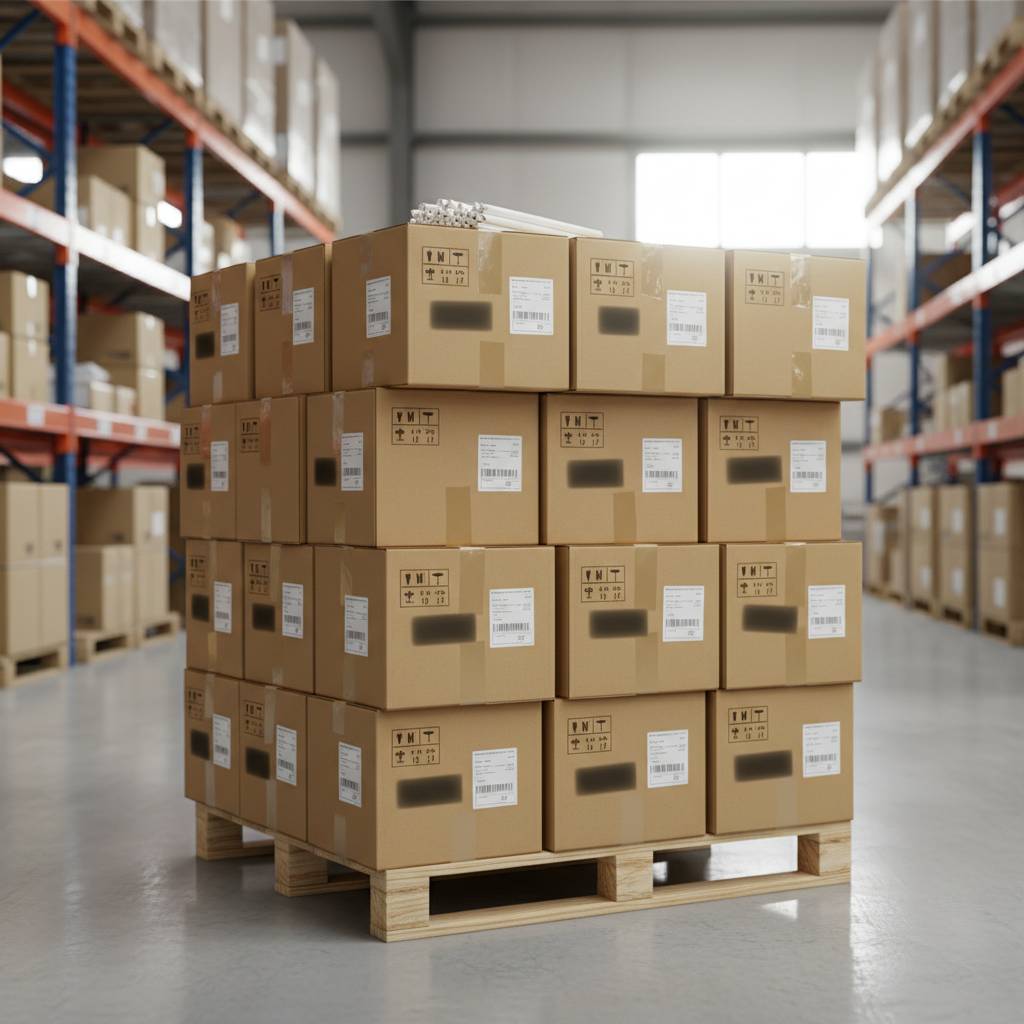
Packing is not an afterthought; it is a critical part of your product specification that affects cost, hygiene, shipping, and resale value. One of the most common quotation mistakes is comparing the price of a wrapped straw to an unwrapped one. From the supplier side, these are two different products with different costs and production requirements.
Wrapped straws offer better hygiene, which is often essential for foodservice and retail. Unwrapped straws might be cheaper but may not be suitable for all channels. Furthermore, the export carton’s quality and dimensions directly impact your freight cost and the product’s safety during transit.
Buyer Action: Before finalizing an order, confirm all packing specifications in writing. This includes whether straws are wrapped, pieces per bag, pieces per carton, and the exact carton dimensions (L x W x H). Ask for packing photos.
Supplier-Side Detail: When we prepare an export order, we confirm every packing detail, including carton marks and whether the buyer needs palletizing. For paper straws, we pay special attention to using strong cartons and inner plastic bags for moisture protection, as damaged or damp products are unsellable.
Decision Point: Choosing cheaper, weaker packing might save a few cents per unit but risks product damage during shipment, which can cost you far more. A slightly higher price for better packing is often a wise investment.

A reliable supplier is one who asks you questions before giving you a price. If a supplier sends you a low price without knowing your drink type, size needs, or packing requirements, they are not controlling for risk—they are creating it.
Comparing suppliers should go beyond the product photos and the price on the quotation. You should evaluate their communication, the completeness of their offer, and their understanding of the procurement process. A good partner helps you avoid problems before they happen.
Buyer Action: Prepare a single, detailed specification sheet and send it to every supplier you are evaluating. This ensures you are comparing offers on a like-for-like basis. Use the checklist below to guide your comparison.
Use this checklist to ensure you are comparing suppliers fairly.
| Quotation Item to Confirm | Supplier A | Supplier B | Notes |
|---|---|---|---|
| Material Type Clearly Defined | |||
| Straw Diameter (mm) | |||
| Straw Length (mm) | |||
| Paper Material Level / Layers | (For paper straws) | ||
| Individually Wrapped or Unwrapped | |||
| Wrapper/Straw Printing Included | |||
| Pieces per Inner Bag/Box | |||
| Pieces per Carton | |||
| Carton Dimensions (cm) | |||
| Total CBM (cubic meters) | |||
| Gross Weight (kg) | |||
| Trade Term (e.g., FOB, EXW, CIF) | |||
| MOQ (Minimum Order Quantity) | |||
| Sample Availability & Cost | |||
| Production Lead Time |
Choosing the right wholesale straw is not about picking between paper, plastic, or hybrid. It’s about a clear procurement process. The safest and most profitable decision comes from matching the straw’s complete specification—material, size, wrapping, and packing—to your specific business needs.
Never settle for a quote that hides important details. The lowest unit price is meaningless without knowing the carton volume, the trade terms, and whether the sample has passed a real-world drink test. A good supplier will help you confirm these details, not hide them.
If you are preparing a wholesale straw inquiry, start by defining your use case. Gather details on your drink types, cup sizes, wrapping needs, and estimated quantity. Providing this information upfront allows a supplier to offer a practical solution and a quotation you can actually rely on. At PaperStrawTech, we can help you review these details to find a suitable paper straw option, sample plan, and quotation basis for your market.