Trying to source or manufacture paper straws can feel like walking a tightrope. You’re worried about your straws turning into a soggy mess, frustrating customers and damaging your brand’s reputation. You hear conflicting advice—some say more paper layers are key, others insist it’s all about high GSM paper. This confusion makes you afraid of making a costly mistake. The truth is, achieving real paper straw strength[1] isn’t about finding one magic number; it’s about understanding how four critical elements work together as a system.
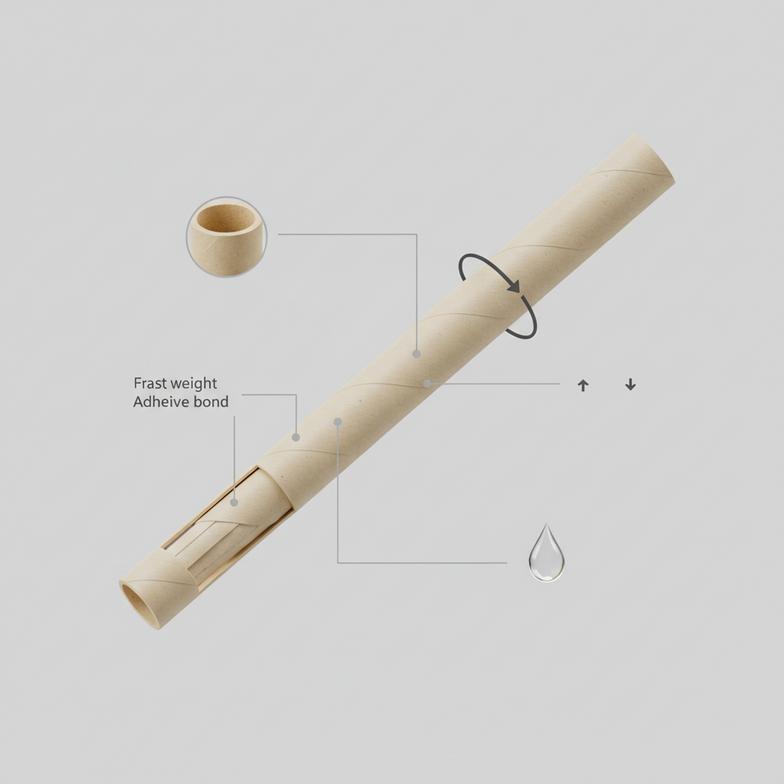
The strength and durability of a paper straw come from the balanced interplay of its components: the number of paper layers (ply), the paper’s weight (GSM), the straw’s diameter, and most critically, the quality and application of the food-safe adhesive. Focusing on just one of these factors while ignoring the others is the most common reason for straw failure.
This might sound more complicated, but it’s actually good news. Once you understand this system, you can move from guessing to making informed business decisions. Let’s break down each of these factors so you can learn how to ask the right questions and choose a product that truly performs.
You’re scrolling through supplier websites and see bold claims like "4-Ply Durability!" or "Made with 120 GSM Paper!" It sounds impressive, and it’s easy to assume more is always better. But what do these specs actually mean for your customer sipping their iced coffee?
More layers or a higher GSM (Grams per Square Meter) generally add stiffness and a feeling of quality. However, they are not the whole story. These factors increase material costs, and focusing on them alone can give you a false sense of security if the other elements, especially the glue, aren’t right.
Let’s dive a bit deeper into this. From my experience helping entrepreneurs set up their own factories, this is the first hurdle they need to clear.
Think of GSM as the paper’s "weight class." It’s a standard measure of paper density.
A common question I get is whether to just max out the GSM. The problem is, extremely thick paper can make the straw feel bulky and can sometimes have issues with absorbing the glue properly if the machine isn’t calibrated for it.
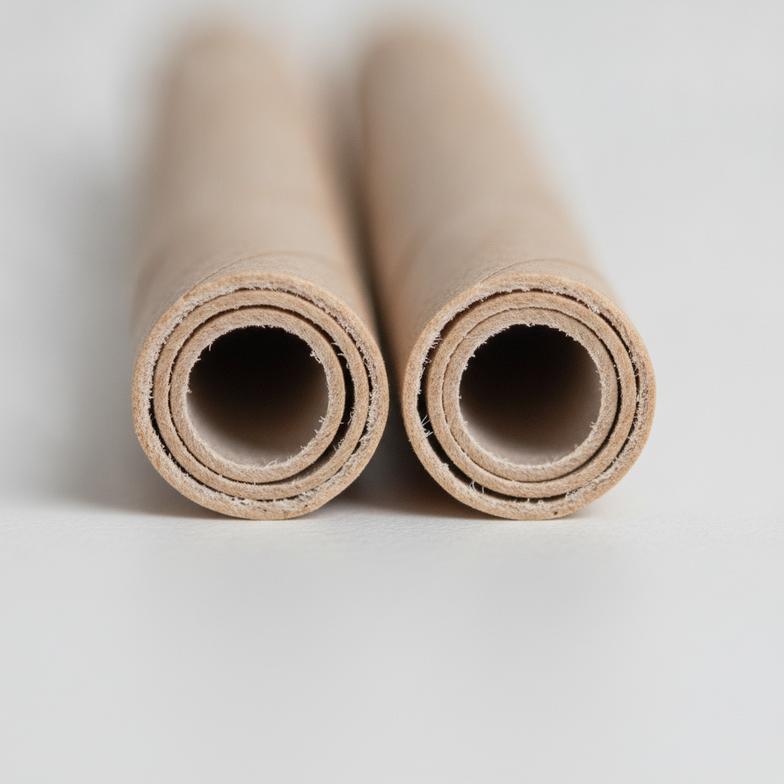
This one’s straightforward: it’s how many layers of paper are wound together to form the straw tube. Most straws on the market are 3-ply.
Here’s the inside scoop: every layer adds another glue line. More layers mean more potential points of failure if the glue isn’t perfect. A 4-ply straw made with cheap paper and bad glue will fall apart faster than a 3-ply straw made with excellent materials[3].
Buyers often fixate on creating the "strongest" possible straw, but strength is relative to its use. The goal is to create the right straw for the job without over-engineering it and driving up your costs.
Consider this common scenario:
| Specification | Straw A: The "Balanced" Choice | Straw B: The "Max Spec" Choice |
|---|---|---|
| Layers | 3-ply | 4-ply |
| Paper GSM | 120 GSM | 100 GSM |
| Analysis | Straw A uses thicker, higher-quality paper in fewer layers. This often results in a very rigid and durable straw that feels solid. The cost is balanced. | Straw B uses more layers of thinner paper. It might feel thick, but the core structure relies heavily on the extra glue lines. If the paper itself is weak, it will still absorb liquid and soften. It can be more expensive due. to the extra layer. |
A client of ours was convinced they needed 5-ply straws for their thick smoothies. After running tests in our own facility, we showed them that a well-made 4-ply straw using 120 GSM paper and our premium adhesive performed identically in a 3-hour cold liquid test, but saved them nearly 15% on material costs[4]. It’s about working smarter, not just adding more layers.
So, you’ve specified the perfect paper—a 4-ply, 120 GSM combination that feels like a rock. You get your first samples, and they turn into mushy noodles in five minutes. What went wrong? You’ve just discovered the most important, and most overlooked, factor in straw quality.
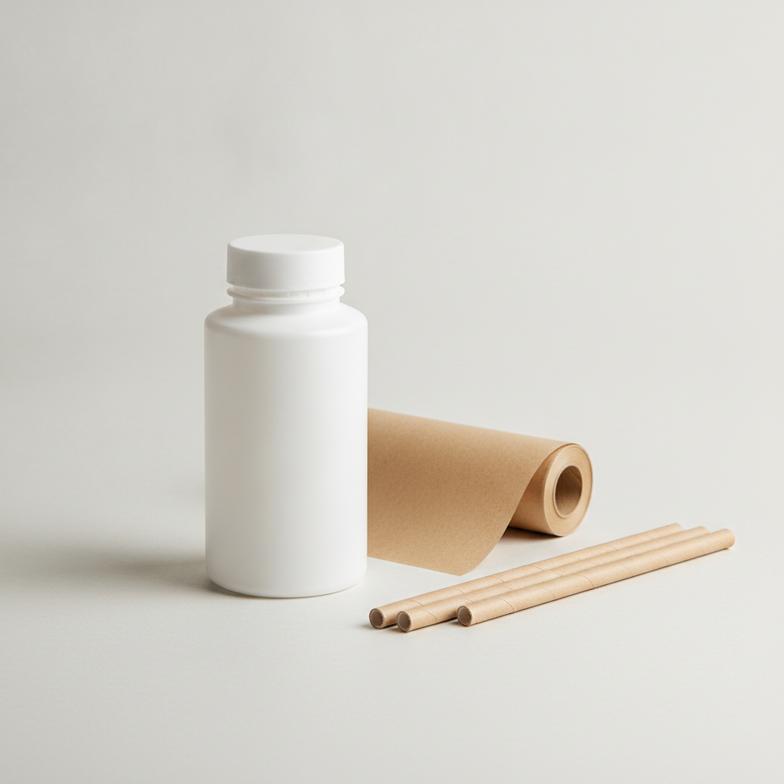
The adhesive (glue) is the single most critical factor for paper straw strength. We’ve seen it time and time again. Poor, non-food-safe, or improperly applied glue is the number one cause of sogginess and failure. The best paper in the world doesn’t matter if it’s not held together properly.
This is the part of the process where you have to put your trust in your supplier. While you can measure paper thickness, verifying glue quality is much harder. This is where a supplier’s experience really shows.
When you’re making thousands of straws an hour, the glue has to perform perfectly. We’re not talking about craft glue. The adhesives used in paper straw manufacturing are highly specialized.
A common pitfall for new factory owners is trying to save a few dollars by sourcing their paper, glue, and machines from different suppliers.[6] I’ve personally consulted with entrepreneurs who bought top-of-the-line German paper but paired it with a cheap, untested glue from a local chemical supplier. The result? A massive batch of straws that fell apart on contact with liquid. The savings were wiped out in a single day of wasted production.
This is why an integrated solution—where the machine, paper, and glue are tested to work together—is so valuable. It eliminates one of the biggest risks in production.
Instead of just asking for a price list, a much smarter buyer asks questions that reveal a supplier’s expertise. Here are the questions you should be asking about glue:
A good supplier will have ready answers. A supplier who can’t answer these questions is likely just a middleman, not an expert.
You’re setting up your product line. You know you need standard 6mm straws for sodas, but what about wider 12mm ones for the growing bubble tea market? Does the size change how you should approach building a durable straw?
Yes, absolutely. The diameter of the straw significantly impacts its structural needs. A wider straw has a larger surface area exposed to liquid and is inherently less rigid than a narrow one[7]. Therefore, it requires a stronger build—meaning better paper, more layers, or superior glue—to resist collapsing and getting soggy.
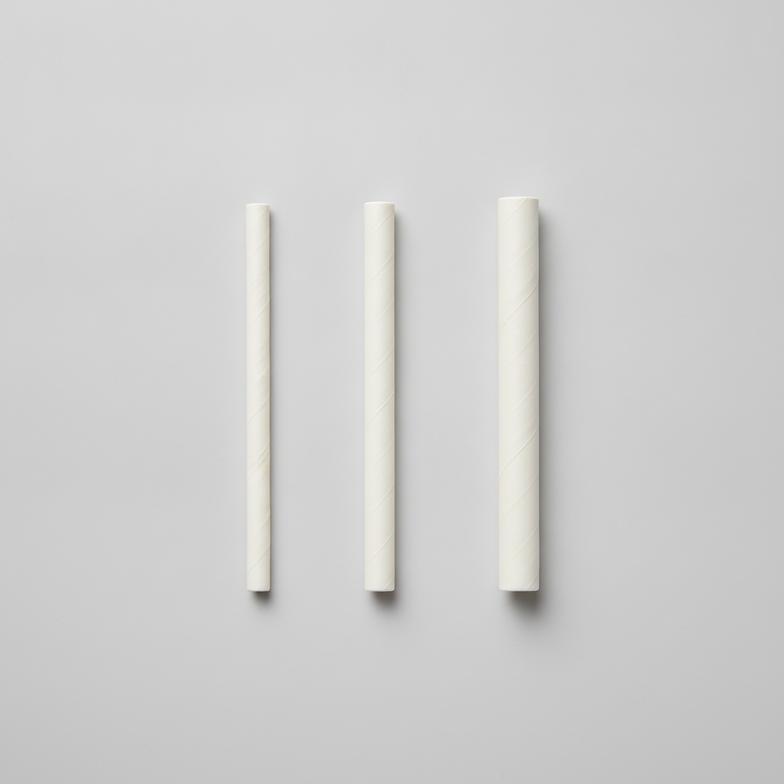
Let’s look at the practical business implications of this simple geometric fact.
Think about it like this: it’s much easier to crush a wide cardboard tube than a narrow one made from the same material. The same principle applies to paper straws. 1. More Surface Area: A 12mm bubble tea straw has double the circumference of a 6mm straw. That’s twice the area for liquid to attack the paper and seams. 2. Less Inherent Rigidity: The wider the tube, the more it relies on the stiffness of its walls to prevent being crushed by pressure from your mouth or by the piercing of a boba cup lid.
Because of this, you can’t use the same specs for a 6mm straw and a 12mm straw and expect the same performance.
This is where all the elements—GSM, layers, glue, and diameter—come together. As a manufacturer, we have baseline "recipes" that we know work for different applications. This is a general guide to get you started:
| Straw Type | Common Diameter | Recommended Specs | Key Business Risk if Done Wrong |
|---|---|---|---|
| Juice / Soda | 6mm | 3-ply, 100-120 GSM | Standard durability is expected. Failure here is a basic quality miss. |
| Smoothie | 8mm | 3 or 4-ply, 120 GSM | Needs to resist the suction pressure of a thick liquid without collapsing. |
| Bubble Tea | 12mm | 4-ply, 120-135 GSM | Must be rigid enough to not collapse, and the tip must be strong enough to pierce the cup’s film seal[8]. A failed boba straw is a very frustrating customer experience. |
Imagine a bubble tea shop that decides to save money by using cheap, underspecified 12mm straws. A customer buys a drink, and the straw bends in half trying to pierce the lid. Or, it gets soggy and collapses before they can finish their pearls. That customer isn’t just frustrated; they’re likely not coming back. They’ll tell their friends. The shop’s reputation for quality takes a direct hit.
Investing a little more in the correct paper straw strength for the application isn’t a cost; it’s insurance against brand damage.
This depends on the drink, but a well-made paper straw should comfortably last for 2-3 hours in a cold beverage[9] without becoming soft or unraveling. Hot drinks present a bigger challenge, and performance can vary, but it should still remain functional for the time it takes to finish a coffee.
Not necessarily. I’ve seen well-engineered 3-ply straws made with high-GSM paper and premium adhesive that dramatically outperform poorly made 4-ply straws that use cheap materials. The quality of the components and the manufacturing process matter more than just the layer count.
For the paper, look for FSC (Forest Stewardship Council) certification[10] to ensure it comes from responsibly managed forests. For both the paper and the adhesive, you must ask for food-contact safety certifications like FDA (for the US market) or LFGB (for the EU market). These documents are crucial for verifying a supplier’s claims.
Yes, the market for plastic alternatives is still growing rapidly[11]. The key to building a profitable, long-term business is producing consistent, high-quality straws that don’t disappoint the end-user. Focusing on the factors of paper straw strength from day one is the most important step toward that goal.
The takeaway is simple: stop looking for a single magic bullet for paper straw strength. It doesn’t exist. Instead, start thinking like an engineer and a risk manager. True durability comes from a balanced system where paper layers, GSM, diameter, and especially the adhesive are all chosen to work together for a specific application. By understanding how these variables interact, you can avoid costly mistakes, protect your brand’s reputation, and build a product that people can rely on. This knowledge empowers you to ask smarter questions and choose a supplier who truly understands the science behind making a great paper straw.
If you are planning to start your own paper straw factory or are looking to source high-quality straws, it pays to work with a partner who has real-world manufacturing experience. We’ve built our business on mastering these details. If you want to leverage our expertise, reach out to us. We offer complete turnkey solutions, from state-of-the-art machines to certified raw materials, designed to get you producing quality straws from day one.