Struggling to find the right components for your pre-roll brand? You’ve perfected your product, but the fear that a bad part could jam your expensive machinery, create massive waste, and sabotage your launch keeps you up at night. The key to success with custom filter tips isn’t just finding a pretty sample; it’s about partnering with a supplier who understands the brutal journey from a single prototype to millions of units.
A successful transition from sample to mass production for custom filter tips hinges on a supplier’s ability to guarantee machine compatibility, material consistency, and scalable quality control. Focusing solely on a low unit price or sample aesthetics without validating these factors for high-speed automation is the most common path to costly production failures, machine downtime, and market rejection[1].
Now that you know the secret, let’s dive deeper. As a solutions consultant, I’ve seen countless brands navigate this process. My role is to be an "integrator and translator," helping you avoid the common traps. We’ll break down the biggest risks and show you how to protect your investment.
It’s always tempting to go with the lowest quote. After all, every fraction of a cent saved on a filter tip multiplies across a run of millions. But what happens when that "deal" shows up at your facility and brings your entire production line to a screeching halt?
No, a cheaper unit price on custom filter tips almost always leads to a higher total cost. Any initial savings are quickly erased by machine downtime, increased product waste from jams, and lower production yield, ultimately hurting your bottom line far more than a slightly higher per-unit cost.
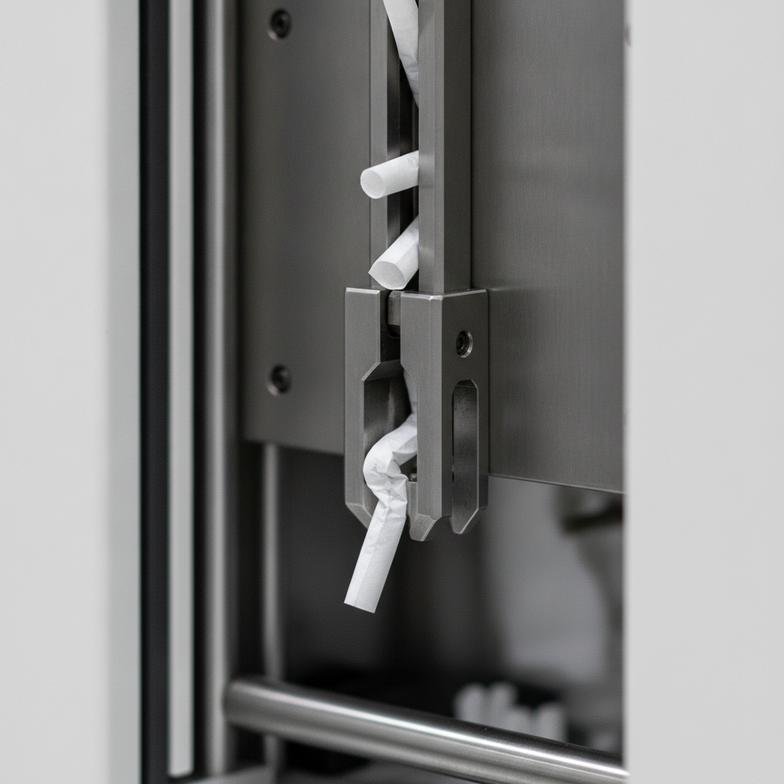
I remember a client who was thrilled to have found a new supplier that cut their filter tip cost by 15%. The first few weeks were great. Then the calls started. Their state-of-the-art automated pre-roll machine was jamming multiple times an hour. The tips were just slightly inconsistent—some were a bit too soft, others were a fraction of a millimeter off in diameter.
Their operator was spending more time clearing jams than running the machine. Their waste skyrocketed because every jam ruined a cone and its expensive contents. When we did the math, the "15% savings" was actually costing them 25% more in total production costs due to downtime and waste. This is the unit price trap in action.
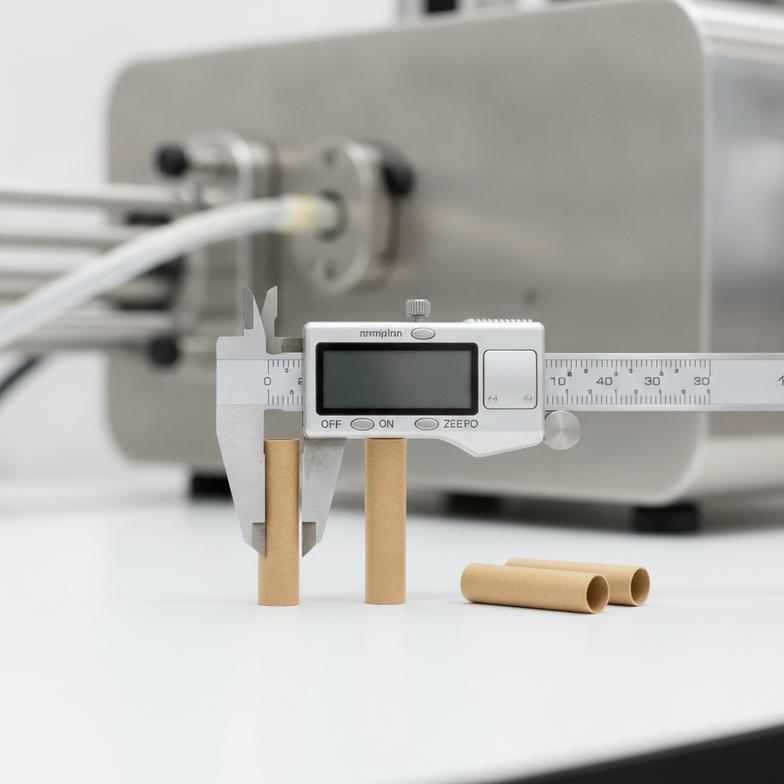
A 0.5mm variance in diameter might sound insignificant, but on an automated line designed to produce 100 pre-rolls a minute, it’s the difference between smooth operation and a complete shutdown.
Think about it this way:
| Cost Factor | Supplier A (Cheap) | Supplier B (Value-Engineered) |
|---|---|---|
| Unit Price | $0.010 | $0.012 |
| Machine Downtime | 2 hours/day | 0.1 hours/day |
| Hourly Downtime Cost | $500/hr[2] | $500/hr |
| Daily Downtime Cost | $1,000 | $50 |
| Waste Rate | 8% | 1% |
| Daily Waste Cost | $800 | $100 |
| Total Daily Cost (for 100k units) | $1,000 (tips) + $1,000 (downtime) + $800 (waste) = $2,800 | $1,200 (tips) + $50 (downtime) + $100 (waste) = $1,350 |
As you can see, the supplier with the higher unit price delivered a far lower total cost of ownership. Your focus should never be on the per-piece price alone. It must be on the total operational cost. A reliable partner engineers their custom filter tips not just to be cheap, but to be your best insurance against production interruptions.
You’ve got it—the perfect sample. The logo is crisp, the color is spot on, and it feels great in your hand. You’re ready to sign off and order a million units. But hold on. Will that beautiful, handcrafted sample run smoothly when you’re trying to churn out thousands of units per hour?
Often, the answer is no. A perfect-looking sample can fail spectacularly at scale if its design, dimensions, or materials weren’t engineered for high-speed automated machinery from the very beginning. This is what I call the "sample-to-scale gap," and it’s a huge pitfall for new brands.[3]
A new brand once came to us with a fully designed tip they’d sourced elsewhere. It had a complex debossed logo and non-standard dimensions they loved. They’d already paid for tooling and were ready for mass production. The problem? The tip was designed in a vacuum, with no consideration for their specific pre-roll machine.
The hardness was wrong, so the machine’s grippers kept crushing it. The length was just a millimeter too long, causing it to snag during injection. They had a beautiful, unusable filter tip and a sunk investment in tooling. We had to start over with them, co-engineering a new tip from the ground up that kept their brand aesthetic but was built to run flawlessly on their equipment.
Before you approve any sample, you need to treat it as a mechanical component, not just a piece of branding.
Work with your supplier to validate these key specs for your machine:
Finalizing your branding before validating these mechanical properties is like designing a beautiful car engine that doesn’t fit in the car. Always co-develop your custom filter tips with a supplier who asks about your machinery first and your logo second.
You might think "customization" is all about getting your brand’s logo and colors on the tip. While that’s important for marketing, it’s useless if the tips don’t work. What if your shiny new custom filter tips are incompatible with your machine’s grippers, injectors, or filling system?
Machine compatibility is the single most critical factor because even tiny inconsistencies in a filter tip’s physical properties can cause constant jams, halting production entirely. This transforms your expensive automation from a profit center into a costly headache. Your supplier must function as an engineering partner, not just a printer.
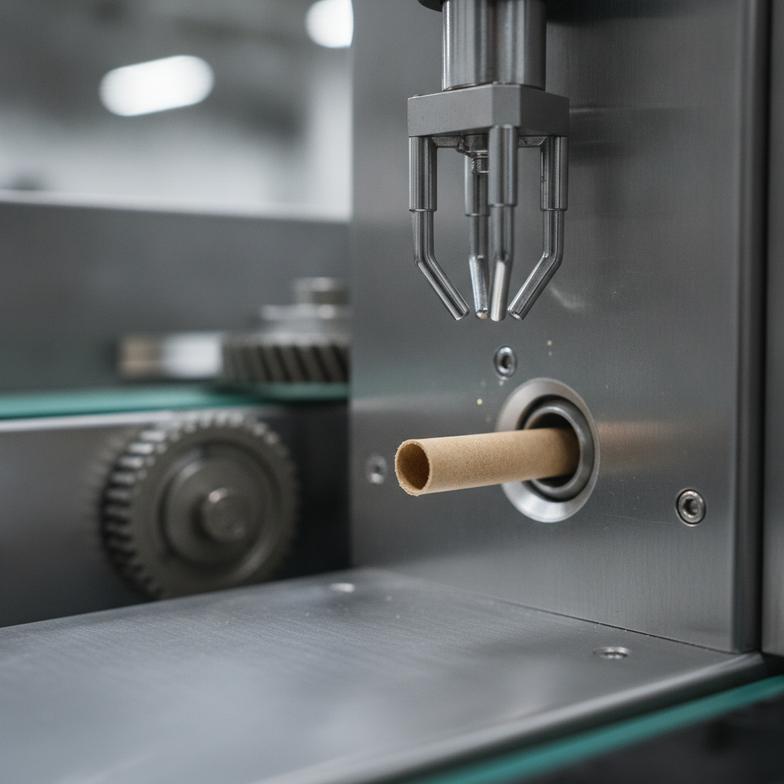
This is where my job as an "integrator and translator" really comes into play. A brand owner tells me what they want their pre-roll to look like; I translate that into the technical specifications the machine needs to see.
A common scenario I encounter is a brand switching from a manual knockbox-style filler to a fully automated line like a Futurola or King Kone machine[6]. The filter tips that worked perfectly fine when dropped into a cone by hand are now a disaster.
We once helped a client who was facing constant machine jams after switching to an automated line. Their old supplier just kept sending the same tips. We came in, got the schematics for their machine, and engineered a new tip with a slightly thicker wall and a +/- 0.1mm tolerance on the diameter. The jams disappeared overnight. Their output tripled.[7]
Don’t just send a logo. Have a technical discussion about:
Your supplier shouldn’t just take your order. They should be asking, "What machine are you running?" If they don’t, it’s a major red flag.
You’ve obsessed over every detail of your flower—its origin, its terpene profile, its quality. But have you put the same thought into the paper your customers will put their lips on? A flimsy, papery-tasting, or quick-to-sog tip can make your premium product feel cheap and ruin the entire experience.
The paper used in your custom filter tips is a direct touchpoint with your customer that dramatically impacts the smoking experience. It affects airflow, firmness, and taste. A poor material choice can lead to a flood of negative reviews and permanently damage your brand’s reputation[9], no matter how good your core product is.
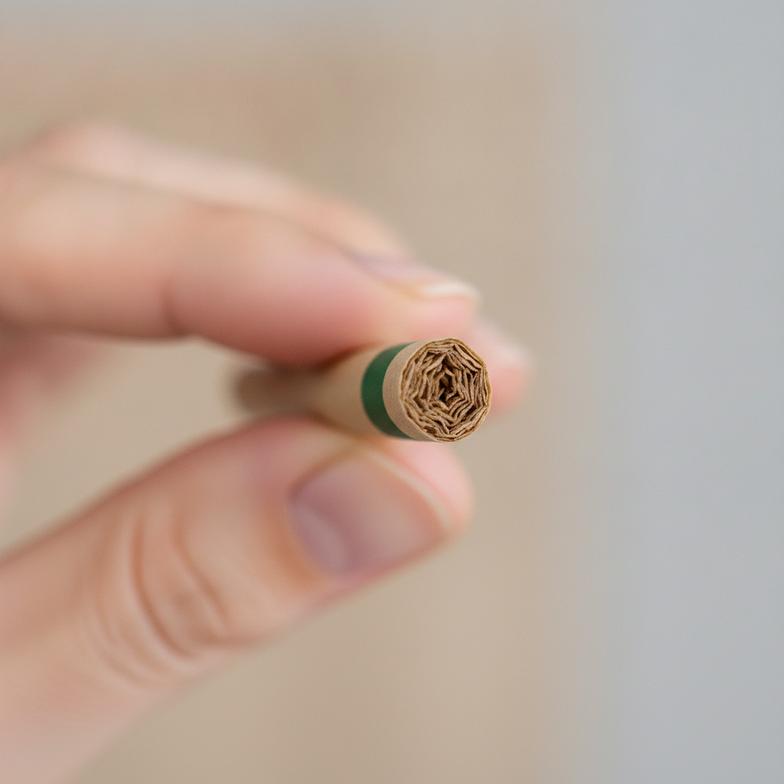
Market failure is the ultimate risk. You can solve all your production issues, but if customers hate the final product, you’re done. The filter tip plays an outsized role in this perception of quality.
We worked with a mid-sized brand that was trying to cut costs. They asked us for a tip made from a cheaper, lower-grade paper. We advised against it, but they insisted. A few months after launch, their online reviews were brutal. "Flimsy," "collapses when you hold it," "gets soggy and gross halfway through." Their sales plummeted.
We switched them back to a premium, higher-GSM virgin pulp paper. It added less than a penny to their cost per unit. Their new reviews praised the "sturdy, premium feel" of the product. They learned that the consumer’s physical interaction with the tip is a make-or-break moment for brand perception.
When selecting a paper, you’re making a calculated trade-off.
| Paper Type | Key Characteristics | Best For… |
|---|---|---|
| Virgin Wood Pulp | High firmness, clean taste, excellent consistency. | Premium and luxury brands where user experience is paramount. |
| Recycled Paper | Eco-friendly story, often softer feel. | Brands focused on a sustainability message, requires careful engineering for rigidity. |
| Hemp Paper | Strong sustainability angle, unique texture. | Niche and craft brands looking to stand out. |
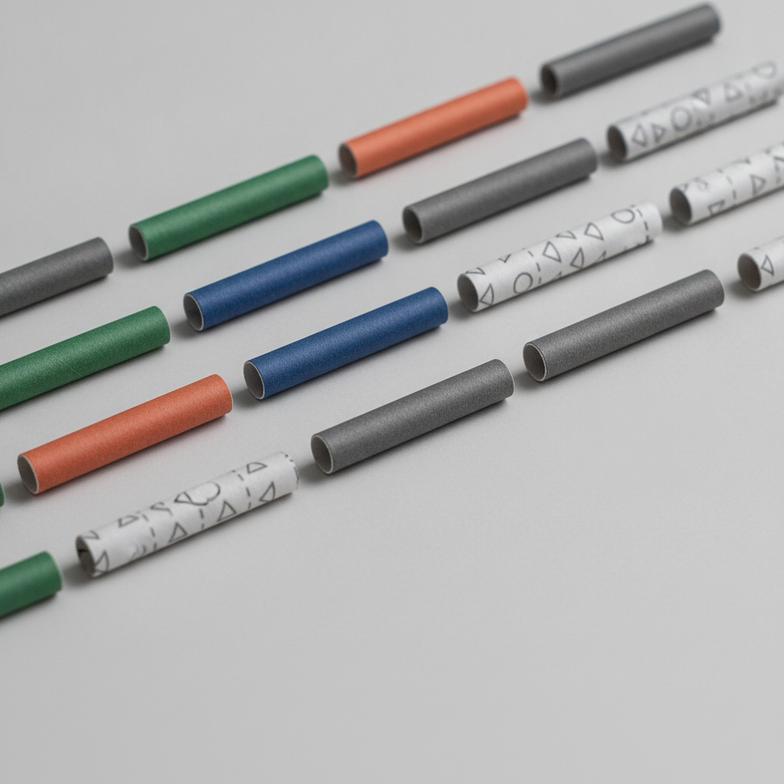
| Colored Paper | Strong branding, visual appeal. | Brands that want to own a specific color in the market. |
Beyond the user experience, you must also consider compliance. Ensure your supplier can provide documentation for food-grade materials and other relevant certifications.[10] It’s your job to verify these documents, but a good partner will have them ready.
MOQs vary depending on the level of customization. For a simple size change, it might be around 50,000 to 100,000 units. For fully custom projects with new colors or complex printing, the MOQ is typically higher to cover the costs of material sourcing and machine setup.
The timeline can range from 4 to 12 weeks.[11] The initial phase involves design, engineering, and creating prototypes (1-3 weeks). Next is machine testing and feedback (1-2 weeks). Once a sample is approved, initial mass production and shipping can take another 2-7 weeks, depending on the order size and logistics.
Generally, yes. We can use Pantone (PMS) color matching to get a very close match for your brand’s specific color palette. For logos, high-precision printing can replicate detailed artwork. However, it’s crucial to test how colors and inks appear on the chosen paper stock, as the material can slightly alter the final look.
Absolutely. Any reputable supplier should insist on this step. We typically provide a small batch of "tooling samples" or "trial run" tips that are produced on the actual mass-production equipment. This allows you to test them on your own machines to confirm 100% compatibility before committing to a large volume order.
Choosing the right partner for custom filter tips is one of the most critical decisions you’ll make as a pre-roll manufacturer. Looking beyond the allure of a low unit price and a pretty sample can save you from catastrophic production failures. The real value lies in a supplier’s ability to act as an integrator—a partner who understands your machinery, anticipates scaling challenges, and engineers a component that guarantees consistency from the first unit to the millionth. By focusing on machine compatibility, the sample-to-scale process, and quality materials, you protect your investment and build a brand that consumers trust.
If you’re planning a new pre-roll launch or struggling with your current supply, let’s schedule a consultation. We can review your production plan together and help you avoid these costly pitfalls from day one.