
Are you trying to help mason bees but feel lost in the options? Choosing the wrong tube size can harm the bees you want to help[1], turning your good intentions into failure.
The best approach isn’t one single size, but a variety of tubes, typically from 6mm to 10mm in diameter[2]. These should be made from a breathable material like paper to support different local bee species and prevent harmful mold[3], ensuring a safe and effective habitat.
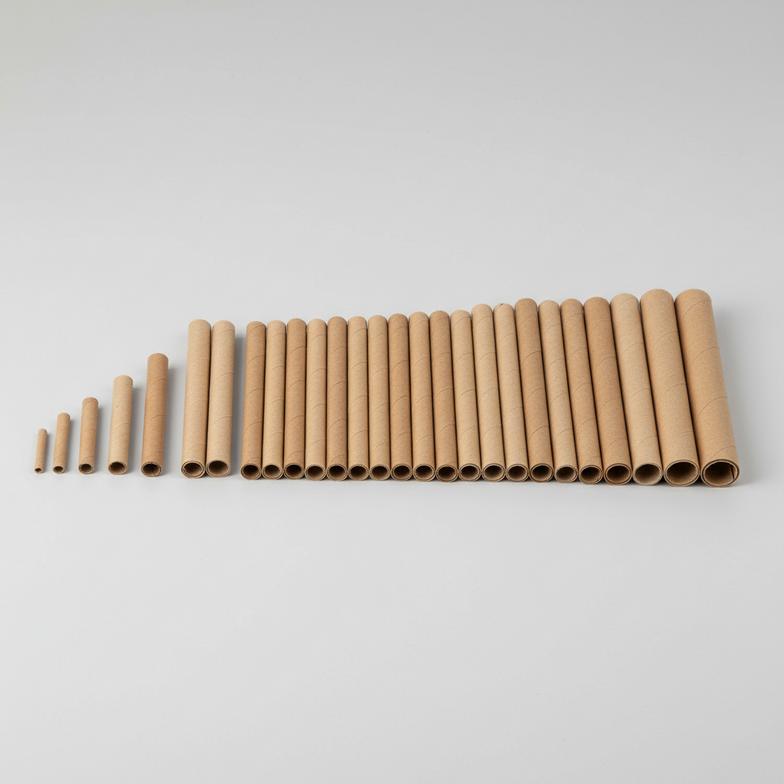
I get this question all the time from customers. Many people have heard there’s one "perfect" size, and they want to get it right. But the truth is, focusing on a single measurement is the biggest mistake you can make. It’s like building a town with only one size of house. To truly help pollinators, you need to think less about a single specification and more about creating a welcoming and diverse neighborhood for them. Let’s break down what really matters.
Everyone says 8mm is the size to get for mason bees. But what if your local bees are smaller or larger? Using only one size might mean you’re excluding the pollinators you want to help.
No, there isn’t one perfect diameter. While 8mm (5/16 inch) is popular for the Blue Orchard Mason Bee, offering a range from 6mm to 10mm attracts a wider variety of native species. A diverse selection maximizes your garden’s pollination potential.
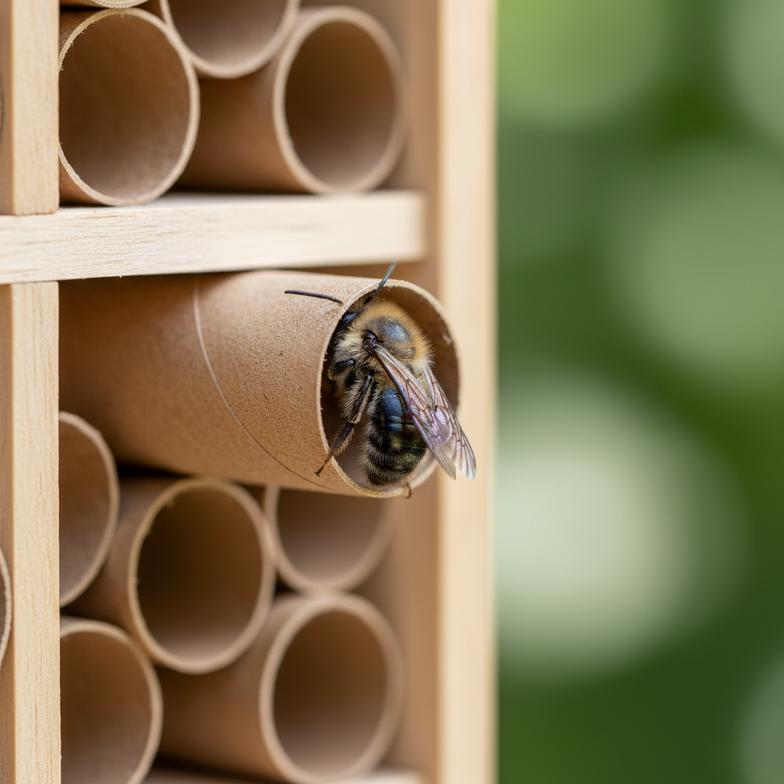
Many customers come to us asking specifically for 8mm (or 5/16 inch) tubes. This size is heavily marketed because it’s ideal for one of the most common and recognized species, the Blue Orchard Mason Bee. However, there are over 140 species of mason bees in North America[4] alone. By offering only one size, you’re rolling out the welcome mat for just one type of bee and shutting the door on many others.
From our experience manufacturing these tubes, we’ve learned from entomologists and successful gardeners that diversity is key. Smaller bees need smaller tunnels, and larger bees need larger ones. If a tube is too big, the bee might waste precious energy partitioning the space[5]. If it’s too small, she can’t fit. Providing a range of sizes is the most effective strategy.
| Internal Diameter | Common Bee Species Attracted |
|---|---|
| 6 mm (~1/4 in) | Smaller mason bees, Leafcutter bees |
| 7-8 mm (~5/16 in) | Blue Orchard Mason Bees, Hornfaced Bees |
| 9-10 mm (~3/8 in) | Larger mason bees and related species |
A good starting point is a mix of sizes. This approach ensures you’re supporting the specific ecosystem in your backyard, not just trying to attract one famous bee.
You’ve picked out some diameters, but now you see options for length and material. Choosing a tube that’s too short or made of the wrong material can lead to dead larvae from predators or mold.
Tube length, ideally around 6 inches (15 cm), protects larvae from predators and helps ensure a balanced gender ratio[6]. The material must be breathable, like paper, to prevent moisture buildup and deadly mold—a problem we often see with plastic or sealed bamboo tubes.
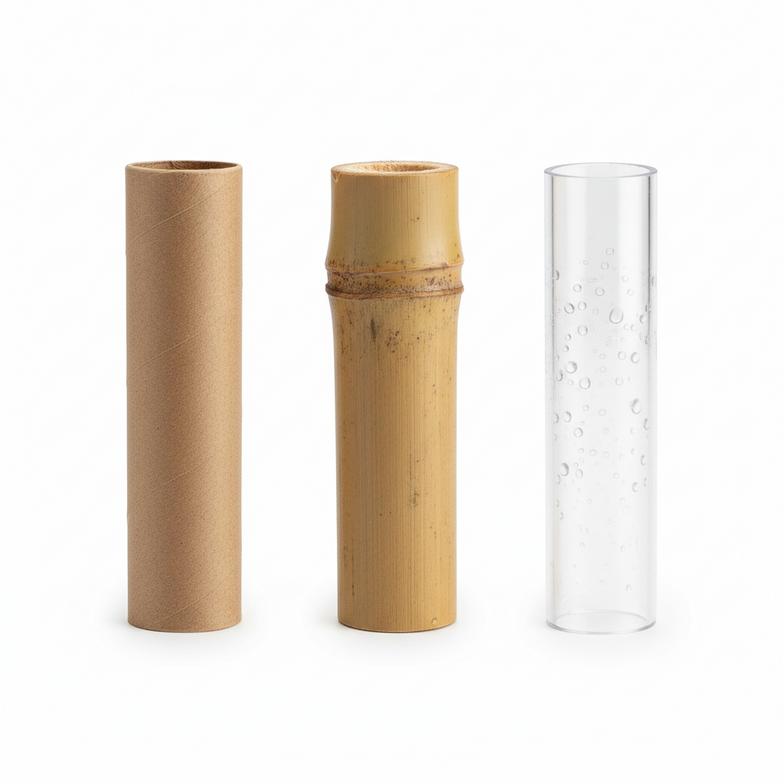
When we produce tubes for our clients, we always discuss more than just the diameter. Length and material are critical for bee survival, and getting them wrong can be disastrous.
First, let’s talk about length. We recommend a standard length of 6 inches (15 cm). Mason bees lay female eggs deep in the tube and male eggs near the entrance[7]. If a tube is too short, two bad things happen. First, the female larvae at the back are more exposed to predators like woodpeckers who can peck through the end[8]. Second, the bee may lay fewer female eggs, skewing the gender ratio of the next generation towards males[9]. A 6-inch length provides the necessary protection and space for a healthy brood.
Next is the material. This is where we see the most common and fatal mistakes. Bees exhale moisture as they work. If that moisture gets trapped, mold will grow and kill the developing larvae[10]. This is why paper is the superior material. It’s breathable and wicks moisture away from the cocoons. In contrast, plastic tubes or bamboo canes with a sealed node at the back are non-breathable moisture traps[11]. We have had many customers switch to our paper tubes after their entire bee population died from mold in sealed tubes.
| Material | Breathability | Safety Risk | Recommendation |
|---|---|---|---|
| Paper | Excellent | None (if using non-toxic glue) | Best Choice |
| Bamboo/Reed | Poor to Fair | Mold if node is present; Splinters | Use with caution, must be open |
| Plastic/Glass | None | High risk of mold and condensation | Avoid |
| Drilled Wood | Poor | Mold; Hard to clean/replace | Not ideal for yearly replacement |
You’re ready to buy, but you’re not sure how to spot a quality product. Buying the wrong tubes can harm bees and waste your money, turning your good intentions into a failed project.
Look for thick, sturdy paper tubes that won’t unravel in humidity. Ensure the supplier confirms they use non-toxic glues[12]. A trustworthy seller will offer a variety of sizes and emphasize breathability, not just sell you a single, "magic" 8mm size.
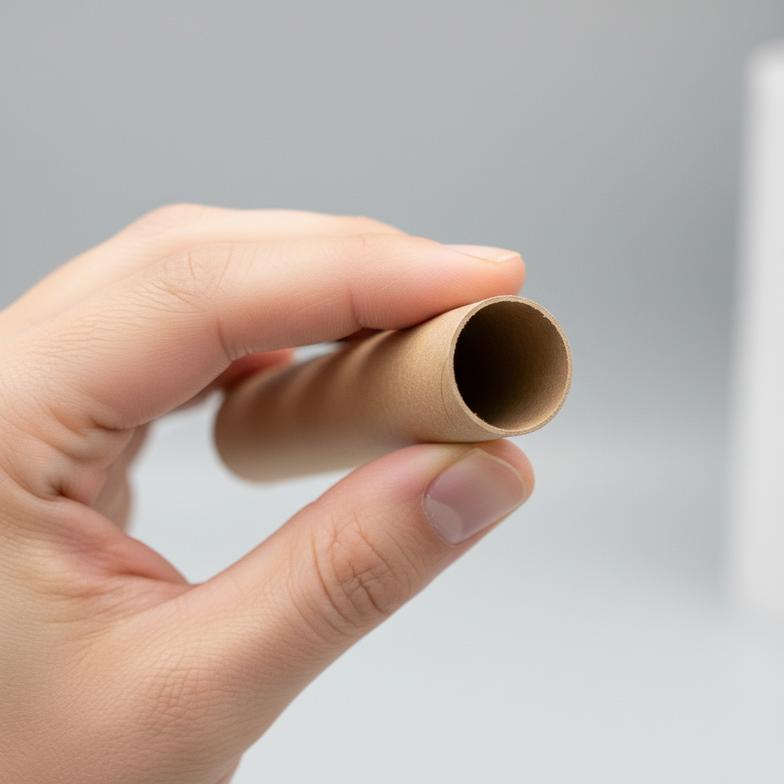
As a manufacturer, we see all kinds of products on the market. Based on the problems our customers have faced before coming to us, here is a simple checklist to tell if you are buying a quality product from a knowledgeable supplier.
First, examine the product itself. The paper should be thick and rigid. Flimsy tubes can sag or unravel in the rain, exposing or crushing the contents. Squeeze it. If it feels like a sturdy cardboard roll, that’s a good sign. Also, ask about the glue. Since bees will be raising their young inside, it’s crucial that any adhesives are non-toxic. We only use food-safe glues in our products, and any reputable supplier should be able to confirm this.
Second, evaluate the supplier. A good supplier is an educator. They are not just trying to sell you a product; they are helping you succeed.
Green flags (Signs of a good supplier):
Red flags (Signs of a poor supplier):
If a seller can’t answer these basic questions, they are likely just a reseller with no real product knowledge. Your goal is to support bees, and that starts with choosing a product designed for their survival.
Choosing the right mason bee tubes isn’t about one perfect size. It’s about providing a safe, diverse nesting system with a range of sizes made from breathable materials.