
Choosing paper straws involves many details. A key question is whether to get them individually wrapped. This choice seems simple, but it affects your costs, hygiene, and customer perception[1].
Yes, you need individually wrapped paper straws if your straws are in a self-service area or for takeaway orders. The wrapper protects against germs, dust, and handling, ensuring compliance with health standards[2] and giving customers peace of mind about hygiene before they take a sip.

That simple answer is a good starting point, but it doesn’t tell the whole story. The decision to use wrapped straws is really a business decision, not just a hygiene one. It’s about balancing risks and benefits for your specific situation. Let’s break down the factors you need to think about so you can make the best choice for your business, your customers, and your budget.
You might see wrapped straws as just an extra expense. But ignoring specific hygiene risks in your daily operations could cause bigger problems, like unhappy customers or health code issues.
Wrapped straws are justified when there is a high chance of contamination before use[3]. This includes self-service counters, takeaway bags, and vending machines. The wrapper acts as a physical barrier against germs, dust, and multiple people touching the straw[4] before it reaches the customer.
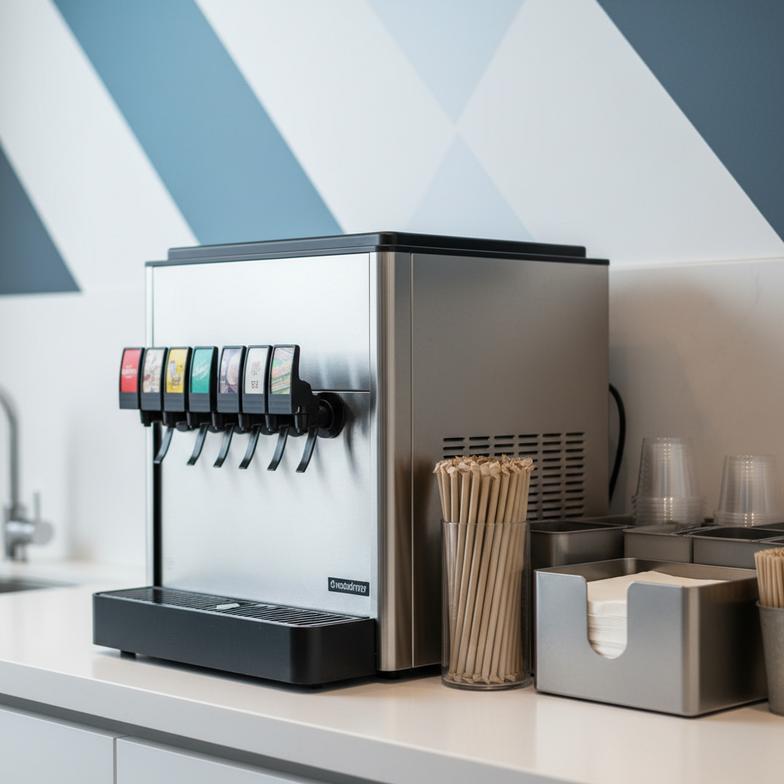
From my experience helping hundreds of businesses, the conversation shouldn’t be "Are wrapped straws better?" but "What are the specific contamination risks in my environment?" The answer is very different for a bar compared to a food court. Let’s look at a few common scenarios. In a high-traffic area like a self-service soda fountain, many hands can touch a straw dispenser[5]. Customers might grab a few straws before picking one. This is a high-risk environment. The same goes for delivery and takeaway, where the straw travels in a bag. A wrapper is essential here. In contrast, consider a full-service restaurant where a waiter brings a drink to the table with a straw already in it. The risk is much lower. We often advise clients to think about "touchpoints" – how many times can a straw be touched by someone other than the final user? The more touchpoints, the stronger the case for a wrapper.
Here is a simple breakdown:
| Environment | Contamination Risk | Wrapped Straw Recommendation |
|---|---|---|
| Self-Service Kiosk / Food Court | High | Strongly Recommended |
| Takeaway & Delivery | High | Strongly Recommended |
| Sit-Down Restaurant (Staff Handled) | Medium | Optional, depends on storage |
| Bar (Bartender Handled) | Low | Generally Not Necessary |
You feel stuck between the higher cost of wrapped straws and worries about hygiene. Making the wrong choice can hurt your budget or damage your brand’s reputation with customers.
First, check your local health department’s rules, as they might require wrapped straws[6]. Then, consider if your customers expect a wrapped straw as a sign of cleanliness. Finally, weigh the added material and labor cost against the risk of negative reviews or contamination issues.

Making this decision is a balancing act with three main parts. First and most important are local health regulations. This is not optional. The first thing I tell any client is to call their local health inspector. Some areas mandate that all single-use items, including straws, must be individually wrapped or dispensed from a machine that releases them one by one. If that’s the rule, the decision is made for you. Second is customer perception. What do your customers expect? For a premium coffee shop, a wrapped straw can reinforce a message of quality and care. For a quick-service restaurant, it’s a basic expectation for safe food handling. Ignoring this can make customers feel that your business is not clean. Finally, you must look at the total cost. Wrapped straws cost more per unit[7]. This is because of the wrapper material (paper or film), the ink for any branding, and the machine process to wrap them. You have to compare this higher upfront cost to the potential long-term cost of a bad hygiene reputation.
Here are the trade-offs at a glance:
| Factor | Unwrapped Straws | Wrapped Straws |
|---|---|---|
| Unit Cost | Lower | Higher |
| Hygiene Perception | Lower | Higher |
| Environmental Footprint | Smaller (less material) | Larger (straw + wrapper)[8] |
| Regulatory Compliance | Varies by location | Generally a safer choice |
You have decided you need wrapped straws, but all the suppliers seem to offer the same thing. Choosing the wrong partner can lead to poor quality wrappers that tear, non-compliant materials, or production issues.
Don’t just ask for a price. Ask about the wrapper material, like if it is FSC-certified paper[9]. Ask about the inks used for printing logos. Also, ask about their quality control for the wrapping process to ensure straws are sealed correctly and dispense easily.

When a buyer asks us for a quote on wrapped straws, I know they are serious about quality. But to find a truly reliable partner, you need to dig deeper. The first question should be about the materials. For the wrapper, is it paper or plastic? If it’s paper, is it from a sustainable source like one certified by the FSC? If you want your logo printed on the wrapper, are the inks food-safe and compliant with regulations like FDA standards[10]? A good supplier will have these answers and the documents to prove it. Second, ask about their manufacturing process. We’ve seen clients who bought cheap wrapped straws elsewhere and found that 10% of the straws in a box were not sealed properly[11]. That’s just wasted money. Ask about their quality control. How do they ensure each straw is sealed cleanly and securely? The wrapper needs to be strong enough for transport but easy for a customer to open[12]. It’s a small detail that makes a big difference in the user experience. A good manufacturer has invested in reliable wrapping machinery and inspects the output constantly.
Choosing wrapped straws is a strategic business decision, not just a simple supply choice. It’s about balancing real-world hygiene risks, costs, regulations, and what your brand stands for.