
Many B2B buyers start by asking for "eco-friendly" or "biodegradable" paper straws. But from my experience on the supplier side, the real risk isn’t choosing a straw that isn’t sustainable—it’s choosing one that looks good in a photo but fails in your customer’s drink. This can lead to complaints about softening, wrong sizing that creates unsellable inventory, or hidden shipping costs that erase your profit margin.
The best sustainable paper straw is the one that matches your drink, cup, lid, real-use performance, packing method, and total landed cost—not simply the one with the lowest unit price or strongest eco claim.
Choosing the right straw is a practical procurement decision. It requires confirming the straw’s application fit, testing its material performance, checking its packaging data, and comparing quotations on a complete specification. This guide will walk you through the key details to check before placing your next bulk order.
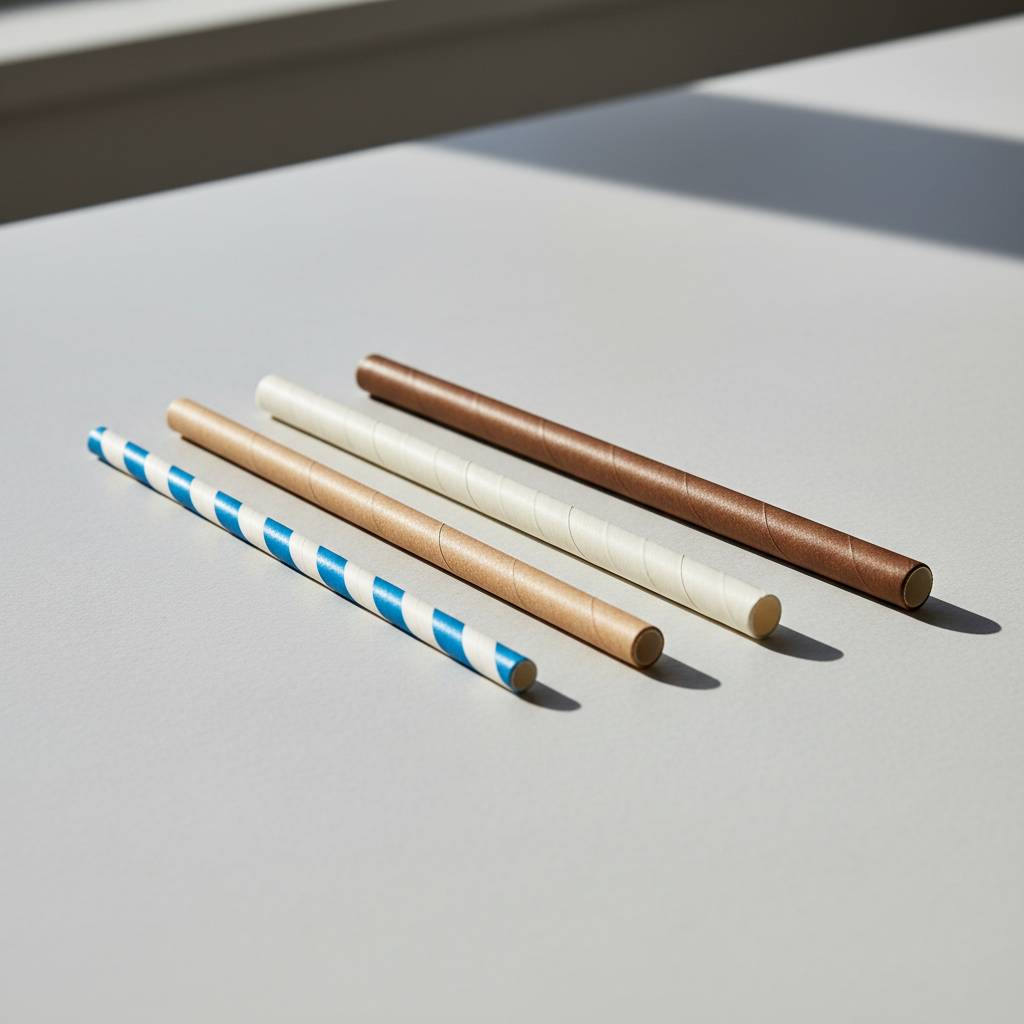
For a bulk buyer, the "best" sustainable paper straw is one that is both eco-conscious and commercially reliable. It must perform well in real drinks, ship safely, and be sourced on a clear, repeatable specification.
A paper straw that is marketed as sustainable but softens too quickly, has an unpleasant odor, or arrives in crushed cartons is not a good business choice. The goal is to find a product that satisfies sustainability expectations while also protecting your business from complaints, waste, and replacement costs. A product that customers reject is never truly sustainable.
From the supplier side, a good purchasing decision starts before the quotation. To recommend the right product, we need to understand your application. Before you ask for a price, it helps to prepare a simple sourcing brief.
A good brief includes:
This information allows a supplier to recommend a straw that actually works for your business, not just one that has the lowest initial price.
You should choose a straw size based on the specific drink, cup, and lid it will be used with. Using one standard size for all applications is a common mistake that leads to poor user experience and unsellable inventory.
Diameter affects the flow of the drink, while length determines how well the straw fits the cup and feels to the user. A straw that’s perfect for water will fail with a thick milkshake. One that fits a short cup will get lost in a tall smoothie tumbler with a high-domed lid.
When we discuss paper straw size with buyers, we ask about drink type, cup height, lid style, and whether the drink contains ice, pulp, or pearls. These details are critical.
Buyer Action: Use the table below as a starting point to match straw dimensions to your drink category. Then, test samples with your actual cups and lids.
| Drink Application | Common Starting Diameter | Common Starting Length | Key Details to Check |
|---|---|---|---|
| Water, Soda, Standard Juice | 6mm | 197–210mm | Cup height, lid type, normal drinking time |
| Iced Coffee, Cold Tea | 6–8mm | 210–230mm | Ice level, lid height, drinking time |
| Smoothie, Milkshake | 8–10mm | 230–250mm | Drink thickness, flow speed, cup height |
| Bubble Tea, Boba | 10–12mm or larger | 230–250mm | Pearl size, piercing a sealed film, cup height |
| Kids’ Drinks, Short Cups | 6mm | 160–197mm | Cup size, user comfort, straw height |
Note: These are common starting points, not fixed rules. Always confirm the final size with real-world testing.
Risk: The biggest risk here is not product failure, but commercial failure. You could end up with thousands of straws that are technically perfect but commercially useless because they don’t fit your customers’ most popular drink-and-cup combinations.

Judge paper straw quality by testing samples in the actual beverages they are intended for. Two straws of the same size can perform very differently due to paper grade, number of layers, and bonding quality.
I often remind buyers not to approve a paper straw based on a dry sample alone. A dry straw can look perfect—the color is right, the printing is sharp, and it feels sturdy. But the real test happens when it sits in iced coffee, acidic juice, or a thick milkshake for 20 minutes. This is where you discover issues with softening, paper taste, or unpleasant odors.
The supplier’s operational consistency is key. A well-made straw has securely bonded layers to prevent it from delaminating and turning mushy quickly.
Buyer Action: When you receive samples, conduct a real-world performance test.
1. Visual Check: Confirm size, color, printing, and wrapper accuracy. 2. Drink Test: Place the straw in its intended drink (e.g., iced tea, smoothie). 3. Wait: Let it sit for the average time a customer would take to finish their drink (e.g., 20-30 minutes). 4. Evaluate: Check for softening, paper taste, odor, and structural integrity. Does it still provide a good drinking experience?
Decision Point: If a sample fails the drink test, don’t approve it, even if it looks good. The approved sample becomes the quality standard for your bulk order, so it must meet both visual and functional requirements.
Before comparing prices, you must request and confirm the carton data: pieces per carton, carton dimensions, gross weight, and total cubic meters (CBM).
This is a detail that buyers often overlook, but it directly impacts your total landed cost. Paper straws are lightweight, but their packaging can be bulky. A supplier might offer a very low unit price but use inefficient, oversized cartons. When you get the freight quote, you discover that the "cheaper" product actually costs more to ship per unit.
From the supplier side, we know that packing is not just for counting pieces; it’s for protecting the product and optimizing logistics. We confirm details like inner bag material for moisture protection, carton strength for stacking in a container, and correct carton marks for easy identification at your warehouse.
Buyer Action: Before you finalize a comparison, ask every potential supplier for a complete packing list.
Trade-off: A supplier might offer denser packing to reduce CBM, but this could increase the risk of crushing if carton quality isn’t high enough. Always ask for packing photos to verify the proposed solution.
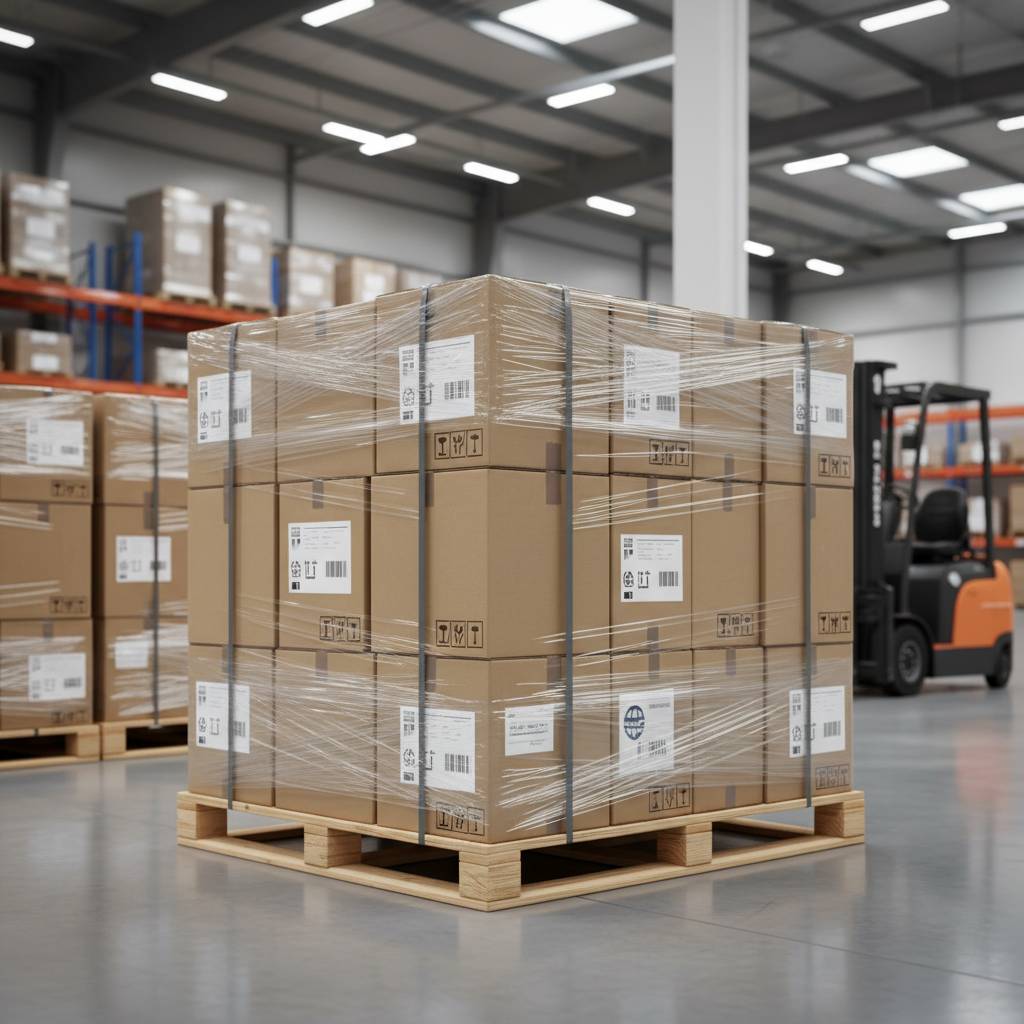
The lowest unit price can become the most expensive choice because it often hides differences in material, wrapping, packing efficiency, or trade terms. A fair comparison is only possible when you compare identical specifications.
I have seen many buyers choose a quotation that was 5% cheaper per piece, only to find out later that it was based on a 2-ply straw instead of a 3-ply, was unwrapped, or used cartons that doubled their shipping cost per unit.
A quotation without clear specifications is a red flag. A reliable supplier should be able to tell you exactly what their price includes. The goal isn’t just to buy straws; it’s to buy a specific, agreed-upon product standard.
Buyer Action: Use a checklist to normalize quotations from different suppliers. Don’t just compare the final number; compare the details behind it.
| Comparison Item | Supplier A | Supplier B | Buyer Notes / Questions |
|---|---|---|---|
| Product Spec | |||
| Diameter & Length | Are both quoting the same size? | ||
| Paper Material Level / Layers | Is the material grade or layer count specified? | ||
| Wrapped or Unwrapped | Is wrapping included in the unit price? | ||
| Custom Printing / Logo | Is this included or an extra charge? | ||
| Packing Data | |||
| Pieces per Carton | Are carton quantities comparable? | ||
| Carton Dimensions & CBM | Is CBM available for freight comparison? | ||
| Gross Weight | How does this impact shipping cost per unit? | ||
| Commercial Terms | |||
| MOQ (Minimum Order Quantity) | Does customization change the MOQ? | ||
| Trade Term (e.g., FOB, EXW) | Are both quotes using the same responsibility point? | ||
| Lead Time | Does this include sample/artwork approval? |
Decision Point: Only compare unit prices after you have confirmed that both suppliers are quoting for the exact same product, packed in a similar way, under the same trade terms.
Before placing any order, you must confirm the final specification, approved sample, artwork, packing method, carton data, MOQ, lead time, and trade terms in a written purchase order or agreement.
A reliable supplier should ask you many of the questions in this article before they even prepare a final quotation. If a supplier just gives you a low price without asking about your drink type, cup size, or destination port, you should be cautious. Their silence may indicate a lack of experience with real-world export and application challenges.
For custom orders with special printing, wrappers, or private-label packaging, this confirmation step is even more critical. In my experience, unclear artwork or late approval is a common cause of production delays.
Buyer Action: Use a final checklist to ensure all details are mutually understood and approved before you commit to bulk production.
| Approval Item | What to Check | Why It Matters |
|---|---|---|
| Final Specification | Diameter, length, color, material level, layers | This is the technical blueprint for your order. |
| Approved Sample | Matches performance from the drink test | This is the quality benchmark for the bulk order. |
| Artwork (if custom) | Logo, text, and wrapper design are correct | Prevents costly printing mistakes. |
| Packing Method | Pieces per bag/carton, inner protection | Affects distribution, storage, and product safety. |
| Carton Data | Final dimensions, CBM, weight, and marks | Confirms shipping cost and logistics handling. |
| MOQ & Price | Matches the agreed quantity and price | Locks in the commercial terms. |
| Lead Time | Production start and estimated ship date | Manages your inventory and sales timeline. |
| Trade Term | FOB, EXW, CIF, etc. | Clarifies cost and risk responsibility. |
Risk: Skipping this final confirmation step is like building a house without a blueprint. Small misunderstandings about specifications or packing can become major problems that are expensive or impossible to fix after production has started.
Choosing the "best" sustainable paper straw isn’t about finding a single magic product. It’s about running a clear procurement process. The right straw is one that is specified correctly for its application, tested for real-world performance, and quoted on a complete, transparent basis.
Don’t start by asking for the lowest price. Start by defining your needs. When you contact a supplier, provide them with your application details:
At PaperStrawTech, we help buyers navigate these details every day. By discussing your specific needs, we can help you confirm the right size, material options, and packing methods to ensure your next paper straw order is a commercial success.